
PRODUCT

WHY CHOOSE US
We combine specialized glass expertise, advanced manufacturing capabilities and strict quality control to deliver reliable glass solutions for demanding architectural, commercial and industrial applications
Dedicated expertise in vacuum glass technology and production..
Integrated processing capabilities supported by modern production equipment.
Strict quality control throughout processing and production.
Flexible specifications, technical support and dependable project service.
PRODUCT SPECIFICATIONS
APPLICATIONS
OVERVIEW
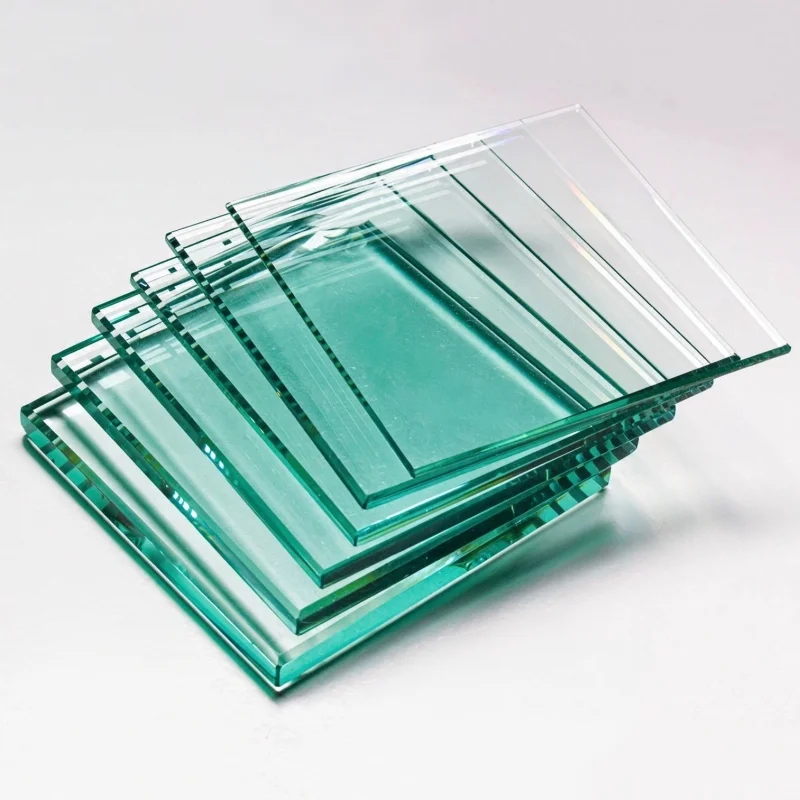
Clear Tempered Glass is produced by heating flat glass to a high temperature and then rapidly cooling it through a controlled process. This thermal treatment increases its mechanical strength and resistance to temperature changes, making it suitable for applications where safety and durability are important.
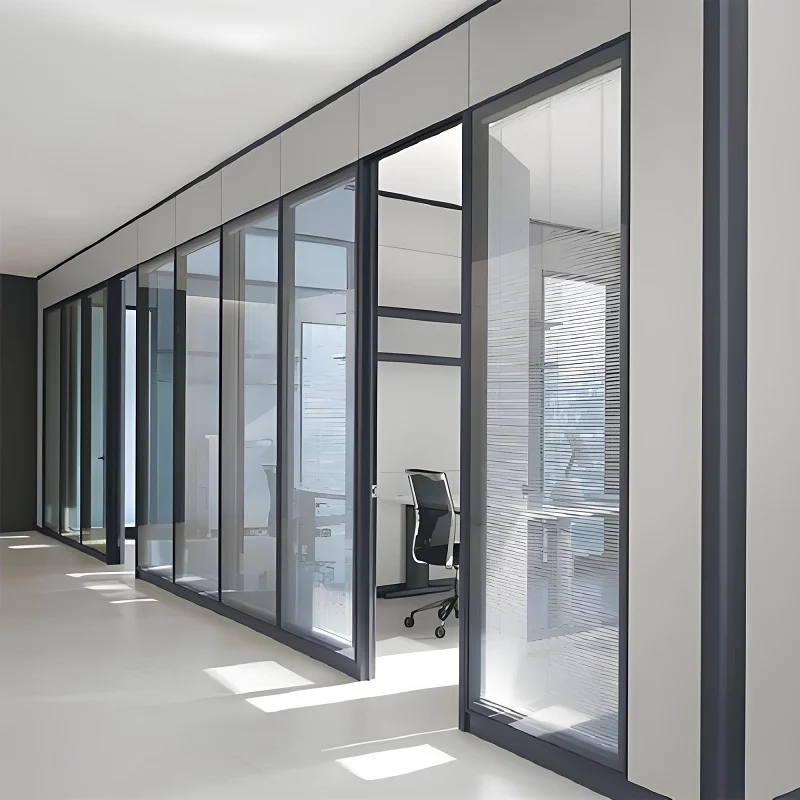
With its clear appearance and good light transmission, clear tempered glass is widely used in windows, doors, glass partitions, curtain walls and other architectural glazing systems. It can be customized in different sizes and thicknesses to meet project requirements.
As a safety glass, tempered glass is designed to break into small pieces rather than large, sharp shards. However, it cannot be cut, drilled or edge-worked after tempering, so all dimensions and processing requirements must be confirmed before heat treatment.
SHEN-SHILEI supplies clear tempered glass for architectural and commercial projects, with specifications tailored to the intended application.DETAILS
Clear Tempered Glass, also known as toughened glass, is a type of safety glass produced by heating glass to a temperature near its softening point and then cooling it rapidly. This process creates compressive stress on the surface and tensile stress within the glass, increasing its mechanical strength and resistance to thermal stress.
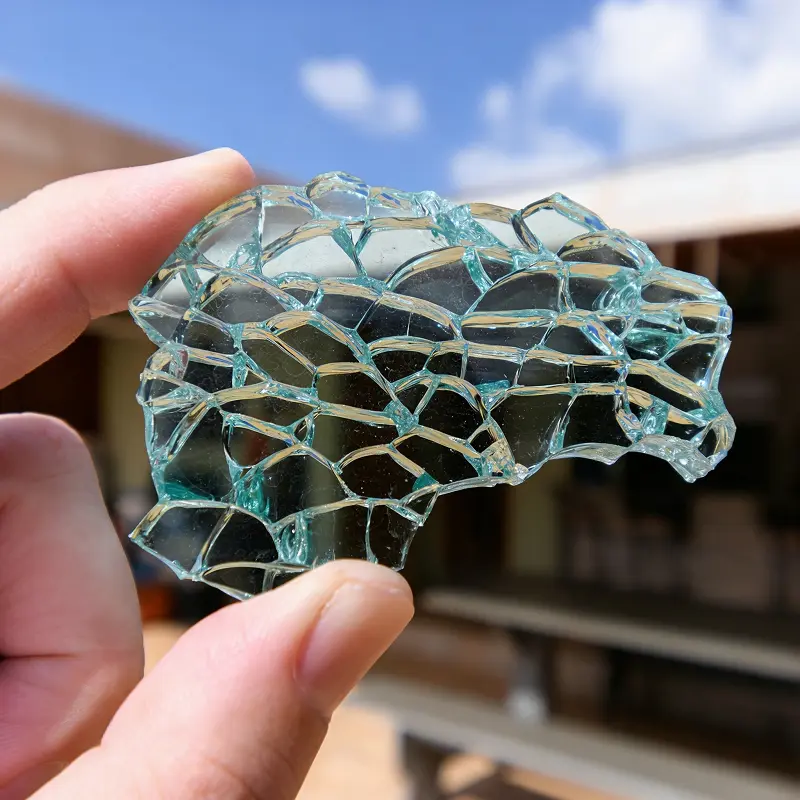
Tempered glass typically has impact and bending strength several times greater than that of comparable annealed glass. When it breaks, it generally fragments into small, relatively blunt particles rather than large, sharp shards, reducing the risk of serious cutting injuries.
Clear tempered glass can be produced through thermal tempering or chemical strengthening. Thermal tempering is widely used for architectural and appliance glass, while chemical strengthening is often selected for thin glass and applications requiring a high surface compressive stress with minimal distortion.
Production and inspection requirements depend on the intended application and destination market. Relevant standards may include GB 15763.2 for safety glass used in buildings in China, EN 12150 for thermally toughened soda lime silicate safety glass in Europe, and applicable ASTM standards in North America.
Relevant standards may include GB 15763.2 for safety glass used in buildings in China, EN 12150 for thermally toughened soda lime silicate safety glass in Europe, and ASTM C1048 for heat-treated flat glass in North America. You can check details of this safety glass standard on ASTM C1048 official page.
Clear tempered glass retains the basic optical and material characteristics of its original glass substrate while gaining increased strength through the tempering process.
Typical properties of soda-lime silicate glass include:
Fragmentation requirements also vary by glass thickness and testing standard. Compliance should be established through the relevant inspection method rather than assumed from a single universal fragment-count value.
One important limitation is that thermally tempered glass cannot be cut, drilled or edge-ground after tempering. Such processing disrupts the established stress distribution and can cause the entire pane to break. Dimensions, holes, notches and edge treatments must therefore be completed before tempering.
The heating and cooling process can also produce optical distortion, including roller wave and localized surface patterns sometimes referred to as quench marks. The degree of distortion depends on the furnace, glass thickness and processing conditions.
Most architectural tempered glass is based on soda-lime silicate glass, primarily composed of silica and other oxides. It offers good chemical stability under normal service conditions and is generally resistant to water, alcohol, oils and many weak acids.
However, hydrofluoric acid attacks glass, while hot phosphoric acid and strong alkaline solutions can also cause significant surface corrosion under certain conditions. Chemical attack may damage the surface and reduce the integrity of the glass. Scratches and other surface defects can also affect its mechanical performance.
For long-term use, clear tempered glass should be protected from aggressive chemicals and incompatible cleaning agents. Under suitable environmental and installation conditions, it can maintain its appearance and performance during extended outdoor service.
Clear tempered glass is manufactured from annealed glass by creating a controlled surface compressive stress layer. The process generally consists of three stages: glass preparation, tempering or chemical strengthening, and final inspection.
Before tempering, the glass is cut to the required dimensions and processed with the specified edge finishing, corner treatment and holes. The glass is then thoroughly cleaned to remove dust, oil and other contaminants.
This stage is critical because thermally tempered glass cannot undergo conventional cutting, drilling or edge processing after treatment. Errors in dimensions or machining must be corrected before the glass enters the tempering process.
Thermal tempering is the most widely used industrial process for architectural and appliance glass.
The glass is heated uniformly in a tempering furnace, typically to approximately 620–680°C, depending on its composition, thickness and the process conditions. It then enters a quenching section, where high-pressure air is directed onto both surfaces through an array of nozzles.
The surfaces cool and solidify before the hotter interior completes its cooling and contraction. This sequence creates a stress distribution in which the surface is under compression and the interior is under tension. The resulting surface compressive stress improves the glass’s resistance to mechanical loading and thermal stress.
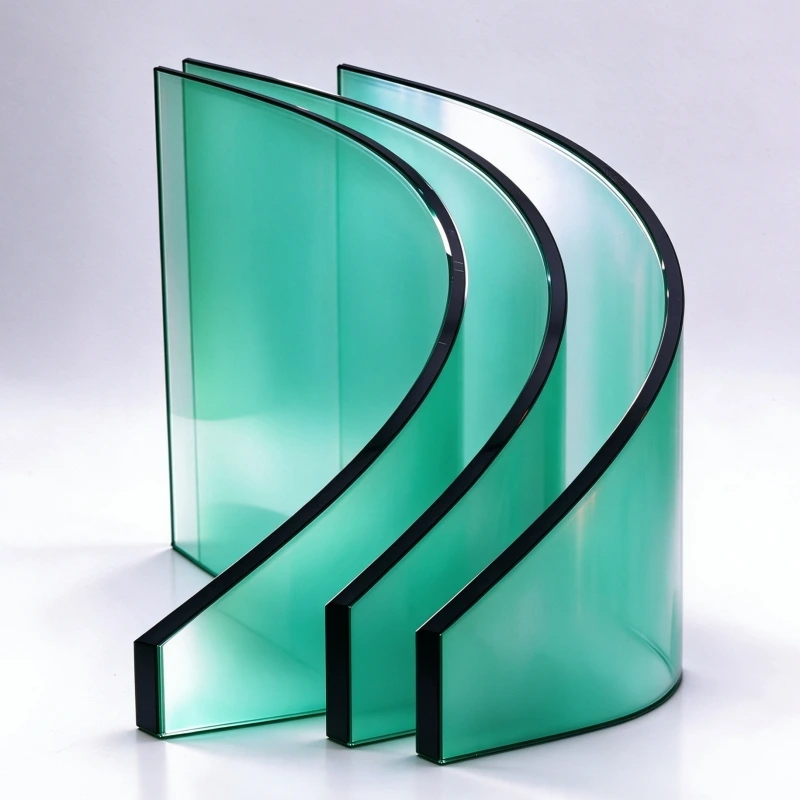
Thermal tempering offers relatively high production efficiency and is suitable for many flat and curved glass products used in buildings, furniture and appliances. However, very thin glass, small components and complex shapes may require specialized equipment or alternative processing methods. Optical distortion and dimensional tolerances must also be considered in the product specification.
Chemical strengthening uses ion exchange rather than rapid cooling. The glass is immersed in a molten alkali salt, commonly potassium nitrate (KNO₃), at a temperature below its glass transition temperature. During treatment, smaller sodium ions near the glass surface are replaced by larger potassium ions.
The larger ions create a compressive stress layer at the surface, improving resistance to surface damage and crack initiation. Chemical strengthening is often used for thin glass, typically around 2–4 mm in some applications, and for components where maintaining surface quality and dimensional accuracy is important.
Compared with thermal tempering, chemical strengthening can achieve high surface compressive stress with minimal optical distortion. However, it generally involves longer processing times and higher costs. The depth and stability of the strengthened layer depend on the glass composition and treatment conditions.
Chemically strengthened glass should not automatically be considered equivalent to thermally tempered safety glass. Its fragmentation behavior and compliance with safety-glazing standards depend on the specific product. Cutting, drilling or other machining after strengthening can also compromise the strengthened surface and should only be performed where the process has been specifically validated.
Compared with annealed glass of a similar composition and thickness, tempered glass offers advantages in mechanical strength, breakage behavior and thermal resistance.
Clear tempered glass typically offers substantially greater resistance to impact and bending than comparable annealed glass. It is widely used where glass must withstand higher mechanical loads, wind pressure or accidental impact.
Actual load capacity depends on glass thickness, panel dimensions, edge quality, support conditions and installation. Strength comparisons should therefore be based on the specific product and applicable design requirements.
When thermally tempered glass breaks, it generally fractures into numerous small particles with less sharp edges than the large shards produced by annealed glass. This fragmentation pattern helps reduce the risk of serious lacerations.
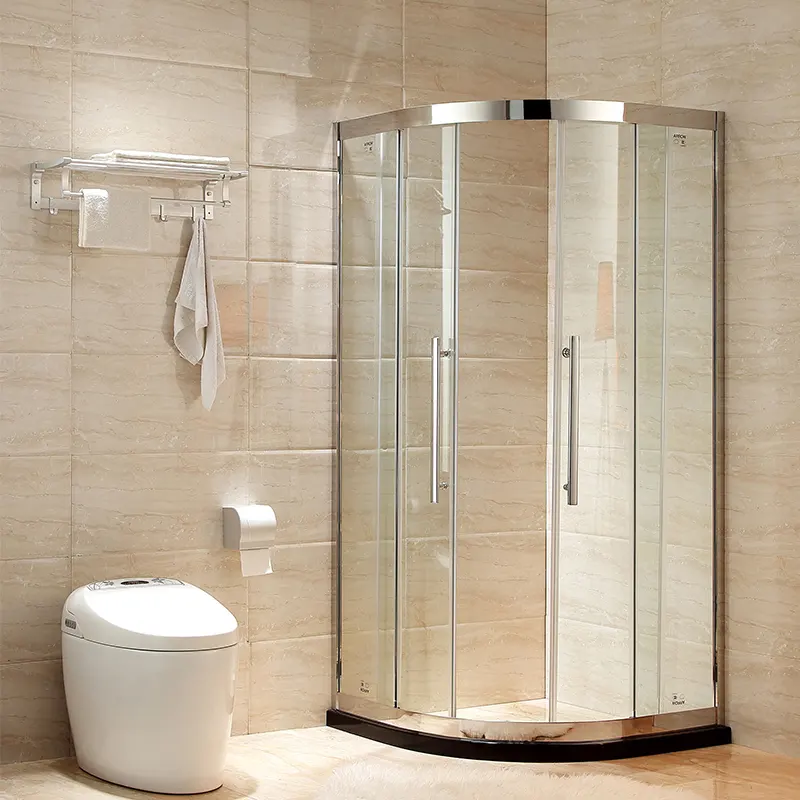
For this reason, tempered safety glass is commonly used in building windows, doors, shower enclosures, interior partitions and vehicle side or rear windows, where permitted by the relevant regulations.
Clear tempered glass does not eliminate all injury risks. Where protection against falling through, fragment retention or post-breakage opening is required, laminated safety glass or another approved safety-glazing solution may be more appropriate.
The compressive stress layer improves resistance to temperature differences and reduces the likelihood of thermal breakage compared with ordinary annealed glass of the same thickness. Properly specified tempered glass is therefore suitable for applications exposed to changing temperatures, including shower enclosures and certain appliance panels.
Thermal performance depends on the glass thickness, edge condition, heating pattern and temperature distribution. Actual service conditions should be considered during product selection.
Thermally tempered glass cannot be conventionally cut, drilled or edge-ground after tempering. All dimensions, holes, cut-outs and edge treatments must be completed before the tempering process.
The required degree of tempering should be selected according to the application and relevant standards rather than maximizing strength without considering other performance requirements.
As a general reference, fully tempered glass is often specified with surface compressive stress of approximately 90 MPa or higher, while heat-strengthened glass commonly falls within a lower range, often around 24–69 MPa. The actual classification and acceptance criteria depend on the applicable standard. Heat-strengthened glass and fully tempered glass also differ in their fragmentation behavior and should not be treated as interchangeable.
Spontaneous breakage refers to the unexpected fracture of tempered glass without an obvious external impact. Although tempered glass is widely used as safety glazing, spontaneous breakage remains a recognized risk that should be considered in product selection and project design.
Several factors can contribute to this phenomenon.
One known cause is the presence of nickel sulfide (NiS) inclusions in the glass. Under certain conditions, these inclusions can undergo a slow phase transformation after tempering, accompanied by a volume change. If an inclusion is located in a critical tensile-stress region, the resulting stress concentration may trigger breakage.
Other inclusions, such as stones or bubbles, as well as local defects in the glass, may also contribute to stress concentration.
Damage caused during cutting, handling, transportation or installation can create cracks or chips that act as stress concentrators. Poor edge quality and improper installation can increase the risk of breakage, particularly when the glass is subject to additional mechanical stress.
Uneven heating or cooling can produce an inconsistent stress distribution. Excessive or unsuitable tempering conditions may also increase internal tensile stress. Process control, glass quality and proper handling are therefore important for reducing the risk of spontaneous breakage.
Heat Soak Testing (HST) is commonly used to reduce the risk of spontaneous breakage associated with certain nickel sulfide inclusions in thermally tempered glass. During the process, the glass is heated under controlled conditions, typically with a specified temperature near 290°C, and held for a defined period.
This accelerates the phase transformation of susceptible inclusions, causing some affected panes to break before delivery. Heat soak testing can reduce the risk of subsequent spontaneous breakage, but it cannot eliminate it entirely.
HST adds processing time and cost and may be specified for high-risk applications, such as certain overhead or high-rise facade installations. Requirements should be determined according to the project specification and applicable standards.
If clear tempered glass breaks, restrict access to the area and use appropriate protective equipment when handling fragments. Record the product specification, installation date and circumstances of the breakage, then contact the supplier or qualified glazing contractor for assessment and replacement.
For replacement in high-risk locations, consider whether heat soak testing, laminated safety glass or other additional safety measures are appropriate. The replacement should comply with applicable certification requirements and be installed by a qualified team. Proper clearances and expansion allowances should be maintained to prevent excessive edge stress.
Clear tempered glass can be classified according to its shape, optical quality, application and strengthening method.
Heat-strengthened glass is another category of heat-treated glass. It generally develops lower surface compressive stress than fully tempered glass and has different breakage characteristics.
Specialized products, such as regionally tempered glass, use controlled processing to produce different fragmentation characteristics in designated areas. Such products are intended for specific applications and must meet the relevant vehicle or industry requirements; they are not interchangeable with general-purpose architectural tempered glass.
Clear tempered glass is used across a wide range of industries where mechanical strength, thermal resistance and safety-glazing performance are important.
The appropriate glass type, thickness, dimensions and processing requirements should be selected according to the intended application and relevant standards.
Clear tempered glass offers improved mechanical strength and a safer breakage pattern compared with ordinary annealed glass. Its performance, however, depends on the quality of the original glass, the tempering process, edge condition and installation.
When selecting tempered glass, consider the required dimensions, thickness, mechanical loads, thermal conditions, optical quality and applicable safety standards. All cutting, drilling, notching and edge finishing must be completed before thermal tempering.
For high-rise facades, overhead glazing and other applications where spontaneous breakage could have serious consequences, assess whether heat soak testing, laminated safety glass or additional protective measures are required. Relevant test reports and certifications should be verified for the specified product and destination market.
SHEN-SHILEI can discuss clear tempered glass specifications for architectural, commercial and industrial projects. To evaluate a requirement, provide the glass dimensions, thickness, edge and hole details, intended application, required standards, order quantity and destination market. Drawings or an existing specification can help clarify the manufacturing requirements and support an accurate quotation.
FAQ
Find quick answers regarding glass customization, production lead time, technical parameters, ordering and export cooperation.
To prepare an accurate quotation, we recommend providing as much of the following information as possible:
If drawings, specifications, BOQ, or project documents are available, customers can also send them to us. Our technical team can review the requirements and recommend a suitable glass configuration before quotation.
Yes. We provide customized glass processing based on customer drawings, specifications, and application requirements.
Depending on the product, customization may include glass dimensions, thickness, glass composition, Low-E coating, spacer configuration, PVB or other interlayers, edge processing, holes, notches, corners, surface treatment, and other fabrication requirements.
For project-based orders, we recommend sending the original drawings or technical specifications before production. Our team can review the dimensions, glass configuration, processing requirements, and potential production issues to reduce the risk of errors before manufacturing.
For repeated orders, we can also maintain the approved specifications and production requirements to help ensure consistency between batches.
Both vacuum glass and insulated glass are designed to improve thermal insulation, but their structures and performance characteristics are different.
Insulated glass consists of two or more panes separated by a spacer and sealed around the perimeter, with the cavity typically filled with air or an insulating gas such as argon.
Vacuum glass uses a highly evacuated space between glass panes. Because the vacuum greatly reduces gas conduction and convection, vacuum glass can achieve high thermal insulation performance with a relatively slim overall thickness.
The appropriate solution depends on the project requirements. Insulated glass is widely used in conventional energy-efficient windows and curtain walls, while vacuum glass can be particularly useful where high thermal performance, slim thickness, retrofit compatibility, or limited glazing space is important.
For a specific project, we recommend evaluating the required U-value, window system, climate, glass size, solar-control requirements, and installation conditions before selecting the configuration.
The applicable standards and documentation depend on the product, destination market, and project requirements.
Before production, customers can specify the required standards or provide the project specification. We can then confirm the applicable technical requirements and documentation.
Depending on the product and project, documentation may include product specifications, inspection records, test reports, certificates, material information, and other quality documents.
For export projects, we recommend confirming the required standards during the quotation stage rather than after production. This allows both sides to verify whether the proposed glass configuration meets the technical requirements of the destination market.
Quality control begins before production and continues throughout the manufacturing process.
Depending on the product, quality control may cover raw material inspection, dimensional accuracy, glass appearance, edge quality, processing accuracy, tempering performance, coating condition, insulating glass sealing, laminated glass bonding, and final product inspection.
For customized and project orders, production specifications are confirmed before manufacturing. Critical dimensions and processing requirements are checked during production, followed by final inspection before packing.
We also recommend that customers confirm critical acceptance criteria in advance, especially for large architectural projects. This creates a clear quality standard for both sides and helps ensure consistent production and inspection.
Our MOQ depends on the glass type, dimensions, processing requirements, production setup, and order structure.
Standard-size products and larger project orders may have different MOQ requirements from highly customized or small-batch products.
For project orders, we recommend sending the glass schedule or estimated quantity first. We can evaluate the order based on the actual specifications rather than applying a single MOQ to all products.
For new customers or sample development, we can also discuss a suitable trial quantity depending on the product and processing requirements.
Lead time depends on the product, quantity, specifications, processing complexity, raw material availability, and current production schedule.
Standard products with confirmed specifications generally have a shorter production cycle, while customized glass, large project orders, special processing, or products requiring specific materials may require additional time.
Before order confirmation, we provide an estimated production schedule based on the actual order requirements. For project orders, we recommend confirming the required delivery date during the quotation stage so that production capacity and shipping arrangements can be planned in advance.
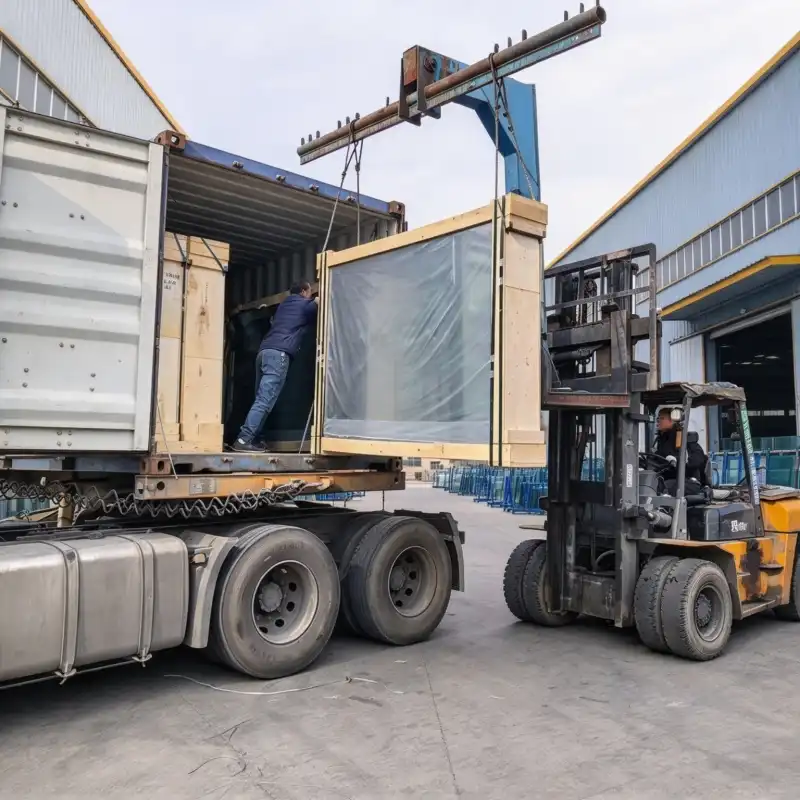
Glass packaging is designed according to the product type, glass dimensions, weight, transportation method, and destination.
For export shipments, glass is normally secured in suitable transport crates or cases with protective materials to reduce movement, impact, scratching, and other transportation risks.
For large or heavy glass units, packaging and loading arrangements are planned according to the actual dimensions and weight of the shipment.
Before shipment, the packing condition and loading arrangement are checked to help ensure that the glass is properly secured during transportation.
For long-distance sea shipments, we also recommend confirming the packaging and loading requirements according to the destination port and transportation conditions.
Yes. Sample production can be discussed for many customized glass products.
For project orders, samples can be used to confirm important aspects such as appearance, color, glass configuration, thickness, processing details, and overall workmanship before mass production.
If the project requires laboratory testing or third-party certification, the required test method and acceptance criteria should be confirmed before sample production.
Once the sample and technical specifications are approved, the approved configuration can be used as the reference for subsequent bulk production.
Yes. We can review the project requirements and recommend a suitable glass configuration based on the intended application.
Customers do not necessarily need to determine the complete glass structure before contacting us. You can provide the application, glass dimensions, required performance, local climate, building or product requirements, and any available drawings or specifications.
Based on these requirements, we can evaluate suitable options such as vacuum glass, insulated glass, laminated glass, tempered glass, or combinations of different glass types.
For example, if the priority is thermal insulation with limited glazing thickness, vacuum glass may be worth evaluating. If the project requires thermal insulation together with solar control or acoustic performance, an appropriate insulated glass configuration may be considered. Where safety or security is a key requirement, laminated or specially designed glass constructions may be more appropriate.
The final specification should always be determined according to the applicable project standards, system requirements, testing requirements, and actual installation conditions.
Send the dimensions, quantity, application and destination for a project review.