
PRODUCT
WHY CHOOSE US
We combine specialized glass expertise, advanced manufacturing capabilities and strict quality control to deliver reliable glass solutions for demanding architectural, commercial and industrial applications
Dedicated expertise in vacuum glass technology and production..
Integrated processing capabilities supported by modern production equipment.
Strict quality control throughout processing and production.
Flexible specifications, technical support and dependable project service.
PRODUCT SPECIFICATIONS
APPLICATIONS
OVERVIEW
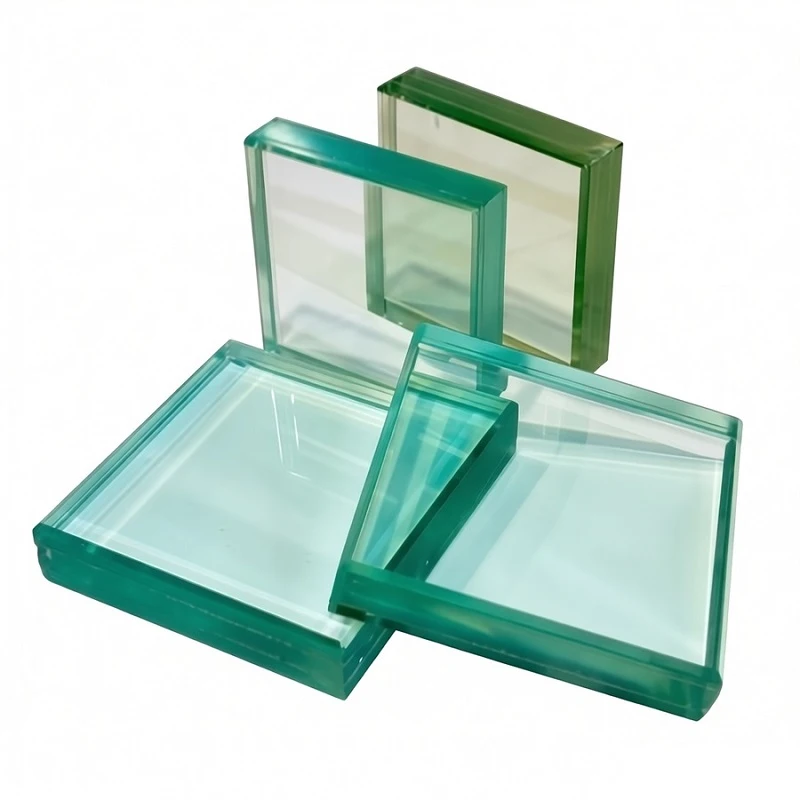
Bulletproof glass, also known as bullet-resistant glass, is a multi-layer laminated glazing system designed to provide transparent protection against defined ballistic threats. It combines multiple layers of glass with PVB, TPU, polycarbonate or other high-performance materials to absorb and dissipate impact energy progressively while helping prevent projectile penetration and glass fragments from reaching the protected side.
The glass can be engineered with different layer structures, glass thicknesses, interlayer materials and protective backing configurations according to the required ballistic performance, optical requirements, weight limitations and installation conditions. Available constructions may include glass/PVB laminated systems and glass/polycarbonate composite structures, with customized dimensions and configurations available for specific projects.
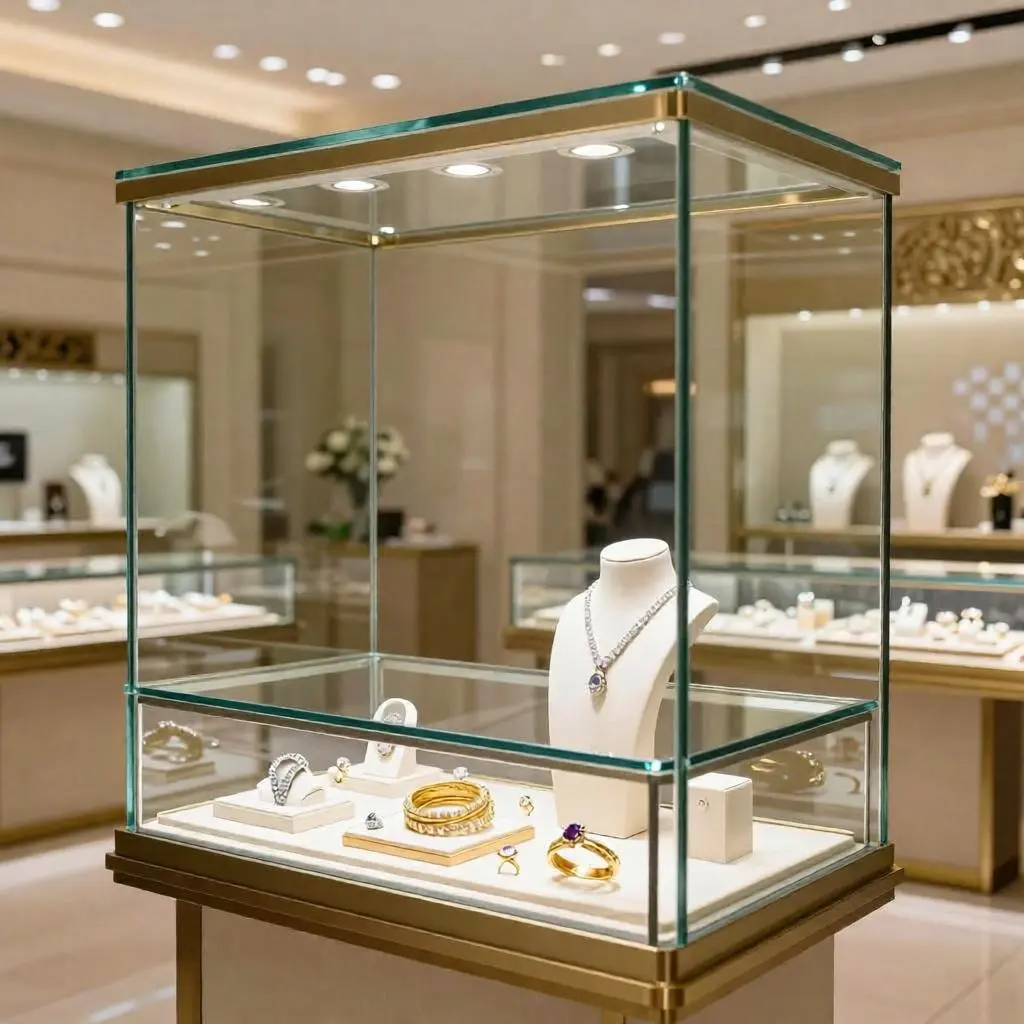
Bulletproof glass is commonly used for banks, government buildings, security facilities, security vehicles, museums, high-value display cases and other applications where transparent ballistic protection is required. The final protection level should be determined by the applicable ballistic standard and verified through testing of the specific glazing construction.
DETAILS
Bulletproof glass, also known as bullet-resistant glass, is a multi-layer laminated security glazing designed to resist defined ballistic threats while maintaining transparency. Unlike conventional safety glass, its protective performance comes from the combined action of rigid glass layers, polymer interlayers and, in some constructions, polycarbonate backing layers.
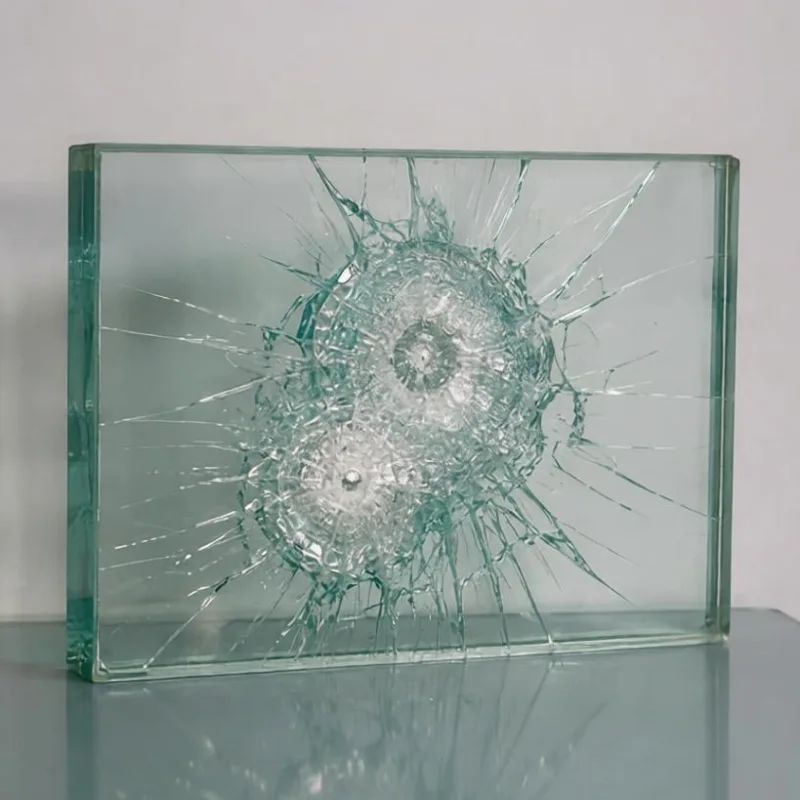
During a ballistic impact, the different layers work together to fracture, deform, distribute and absorb the projectile’s kinetic energy. The laminated structure also helps retain broken glass and control rear-face spall, reducing the risk of fragments entering the protected area.
The construction of bulletproof glass can be customized according to the required ballistic protection level, glass thickness, interlayer material, optical requirements, weight limitations and installation conditions. Depending on the application, systems may use PVB, TPU, polycarbonate or combinations of glass and polymer materials.
Bullet-resistant glazing is used in security-sensitive buildings, vehicles, financial facilities, government facilities, museums and other applications where transparent ballistic protection is required.
Bulletproof glass is a type of laminated security glazing engineered and tested to resist specific projectile threats. The term “bulletproof” is widely used commercially, but in professional specifications, bullet-resistant glass is often more accurate because every glazing system is designed for a defined threat level rather than providing unlimited protection.
A typical bulletproof glass construction contains multiple glass plies separated by polymer interlayers. Additional polycarbonate or other high-performance backing materials may be incorporated when required by the protection level or application.
The basic principle is not simply to make the glass harder. Instead, the glazing uses different material properties to manage impact energy progressively.
The glass provides the initial resistance to the projectile. The polymer interlayers hold fractured glass together and undergo deformation, while additional glass or polymer backing layers resist the remaining energy and help prevent penetration.
This combination allows bullet-resistant glazing to provide a balance between ballistic resistance, transparency, structural performance and fragment retention.
The ballistic performance of bulletproof glass comes from the coordinated response of several material layers.
When a projectile strikes the outer surface, the first glass layer receives a concentrated impact. The glass fractures around the impact area and helps disrupt the projectile while distributing the impact over a wider area.
The polymer interlayer then becomes an important part of the energy-management process. PVB and TPU have strong adhesion to glass and can undergo significant deformation under impact. When the glass breaks, the interlayer helps keep the fragments attached to the laminate rather than allowing them to become independent projectiles.
As the impact continues through the laminate, the following layers absorb and redistribute additional energy. In constructions incorporating polycarbonate, the polymer backing can deform significantly without shattering in the same manner as glass.
The overall protection process can therefore be understood in three stages:
Initial Impact → Energy Absorption → Penetration Resistance
The exact ballistic response depends on the projectile type, impact velocity, glazing construction, material combination, interlayer thickness, temperature and test conditions. For this reason, bulletproof glass should always be evaluated according to a specific tested configuration rather than total thickness alone.
Different applications require different combinations of glass and polymer materials. The most common constructions include glass/PVB laminated systems and glass/polycarbonate composite systems.
High-quality float glass or other suitable glass substrates form the rigid component of many ballistic glazing systems.
The glass receives the initial impact and fractures in a controlled manner. Its thickness, number of plies and position within the laminate all influence the overall ballistic response.
Unlike tempered glass, conventional float glass can form a controlled fracture pattern that works with the polymer layers to distribute impact energy through the laminate.
PVB, or polyvinyl butyral, is one of the most established interlayer materials used in laminated security glazing.
Its strong adhesion to glass helps retain broken glass fragments after impact. PVB also provides flexibility and energy absorption while maintaining good optical clarity.
Glass/PVB constructions offer a well-established balance of optical performance, durability and manufacturing efficiency, making them suitable for many architectural security applications.
TPU, or thermoplastic polyurethane, is increasingly used in applications where higher toughness, impact resistance or demanding environmental performance is required.
TPU can provide strong adhesion and high elongation characteristics, making it suitable for certain advanced security glazing and vehicle applications.
The selection between PVB and TPU should be based on the required ballistic performance, environmental conditions, optical requirements, processing method and applicable test standard.
Polycarbonate can be incorporated as a protective backing layer in certain lightweight or high-performance constructions.
Its high toughness allows it to deform under impact rather than fracture like conventional glass. This can help capture residual projectile energy and reduce rear-face fragmentation.
Glass/polycarbonate systems can provide weight advantages in some applications, but they require careful engineering because glass and polymer materials have different thermal expansion characteristics. UV exposure, scratching and long-term optical stability also need to be considered when polycarbonate is exposed to the environment.
The performance of bullet resistant glass must be verified through standardized ballistic testing. Different regions and applications use different standards, so the required standard should be confirmed before specifying the glazing.
UL 752 is widely referenced in the United States for bullet-resisting materials and protective barriers.
The applicable edition and performance designation should be clearly identified in a project specification. Earlier versions of UL 752 used numbered performance levels, while newer editions use threat-specific designations.
For U.S. projects, the glazing supplier should provide the applicable test information and confirm that the proposed construction corresponds to the required threat level.
EN 1063 is an important European standard for the testing and classification of security glazing against bullet attack.
The standard evaluates glazing against defined ammunition and ballistic conditions. Different classifications correspond to different threat levels, allowing architects, security consultants and project engineers to select a suitable construction.
In China, GA 165 is an important industry standard for bulletproof glass. It evaluates ballistic protection and rear-face effects under specified test conditions.
For projects using Chinese standards, the required protection class should be determined according to the expected threat and project requirements.
A common misconception is that thicker glass automatically provides a higher level of ballistic protection.
In practice, two glazing systems with similar overall thickness can have different ballistic performance because of differences in glass type, number of layers, interlayer material, interlayer thickness, layer sequence and manufacturing quality.
For this reason, the tested construction and applicable certification should always be considered together with the overall thickness.
Additional background about material construction and performance limits can be found in the Wikipedia entry for bulletproof glass.
The manufacturing process has a direct influence on the optical quality, bonding strength and long-term stability of laminated security glazing.
A typical production process includes:
Glass Cutting → Edge Processing → Cleaning & Drying → Interlayer Preparation → Layer Assembly → Alignment → Pre-Pressing & De-Air → Autoclave Lamination → Inspection → Packaging
Glass sheets are cut according to the required dimensions and then processed to achieve the specified edge condition.
Accurate dimensional control is important because the different layers must remain properly aligned throughout the lamination process.
Before assembly, the glass surfaces must be thoroughly cleaned and dried. Dust, oil, moisture and other contaminants can affect the bond between the glass and interlayer.
Clean production conditions are particularly important for large-area security glazing where optical defects can become more visible.
Glass plies and polymer interlayers are assembled according to the specified layer sequence.
The position and thickness of each component must be controlled carefully because the layer configuration directly affects the final performance of the glazing.
The assembled laminate is normally subjected to a de-airing or pre-pressing process before final bonding.
Autoclave lamination then uses controlled heat and pressure to achieve a stable bond between the glass and polymer layers.
After cooling, each unit is inspected for optical defects, bubbles, delamination, edge conditions, dimensional accuracy and other quality requirements.
The performance of bulletproof glass is influenced by several factors rather than one individual specification.
The thickness and number of glass plies influence how the glazing responds to the initial projectile impact.
However, simply increasing thickness is not always the most efficient solution. The layer sequence must be engineered together with the interlayer and backing materials.
PVB, TPU and other polymer materials have different mechanical characteristics.
Interlayer thickness also affects fragment retention, adhesion and energy absorption. The correct combination should therefore be selected according to the required ballistic test performance.
Higher protection levels generally require more material and therefore increase the weight of the glazing.
This is particularly important for vehicles, doors, operable windows and large security windows, where the supporting structure and hardware must accommodate the additional load.
Because bullet-resistant glazing may contain multiple glass and polymer layers, optical quality must be considered during design and manufacturing.
Glass quality, interlayer selection, lamination conditions and layer alignment can all influence visual clarity.
The glass is only one part of a complete ballistic protection system.
The frame, fixing method, surrounding wall and connection details must provide compatible protection. A high-performance glazing unit cannot compensate for a weaker frame or poorly designed installation system.
For security-critical projects, the complete assembly should be considered rather than evaluating the glass separately.
Bulletproof glass is used wherever transparent glazing needs to provide protection against a defined ballistic threat.
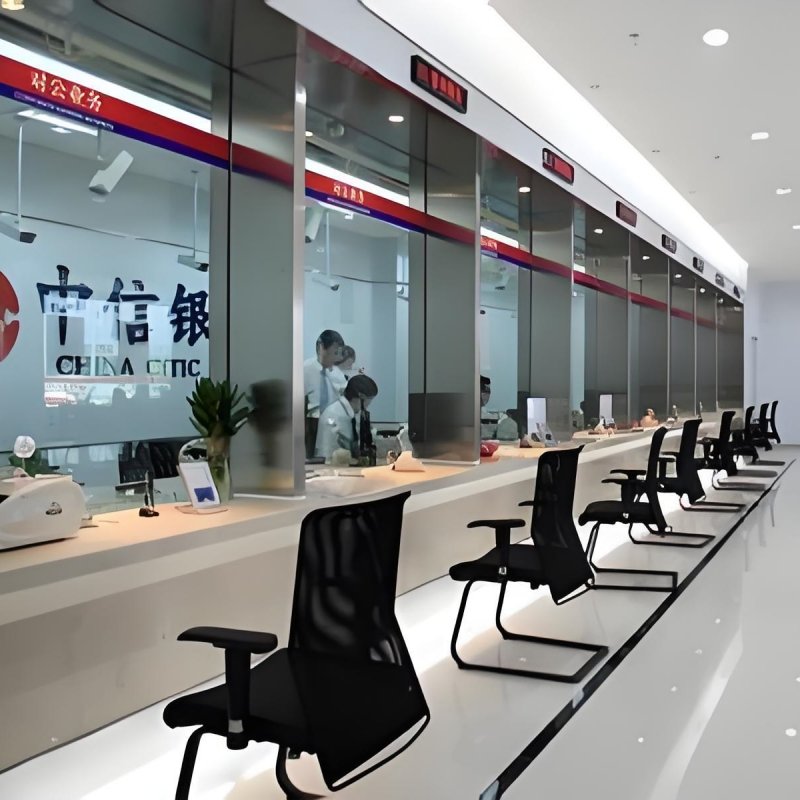
Banks, teller counters, ATM areas and cash-handling facilities are traditional applications for bullet-resistant glazing.
The required protection level depends on the site’s security assessment and applicable standards. The glazing should be integrated with a suitable security frame and transaction system where required.
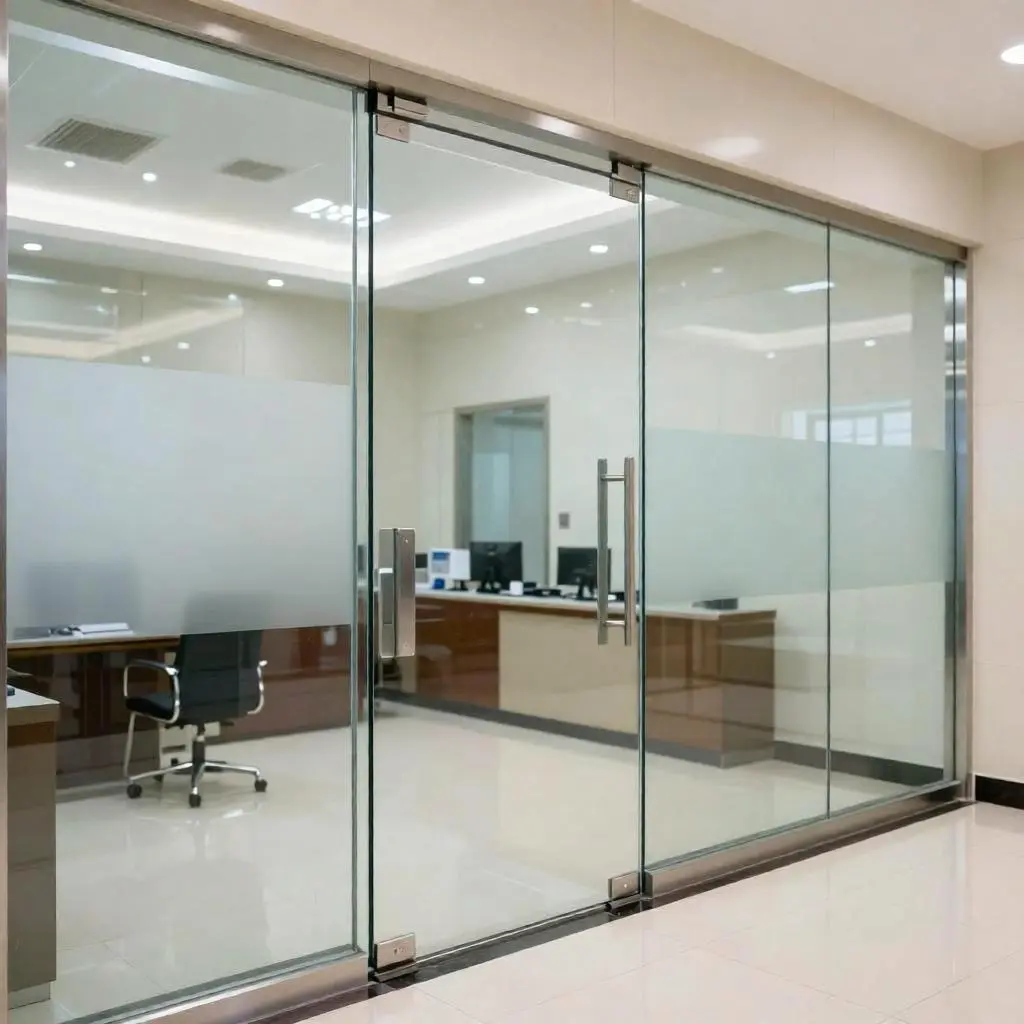
Government buildings, embassies, police facilities and other security-sensitive locations may require ballistic-resistant windows, doors or protective screens.
The glazing construction should be selected according to the identified threat, building security requirements and applicable testing standard.
Bulletproof glass is also used in armored and security vehicles where transparent protection is required without compromising visibility.
Vehicle applications place additional emphasis on weight, optical quality, impact resistance and integration with the vehicle body. The glazing therefore needs to be engineered specifically for the vehicle structure.
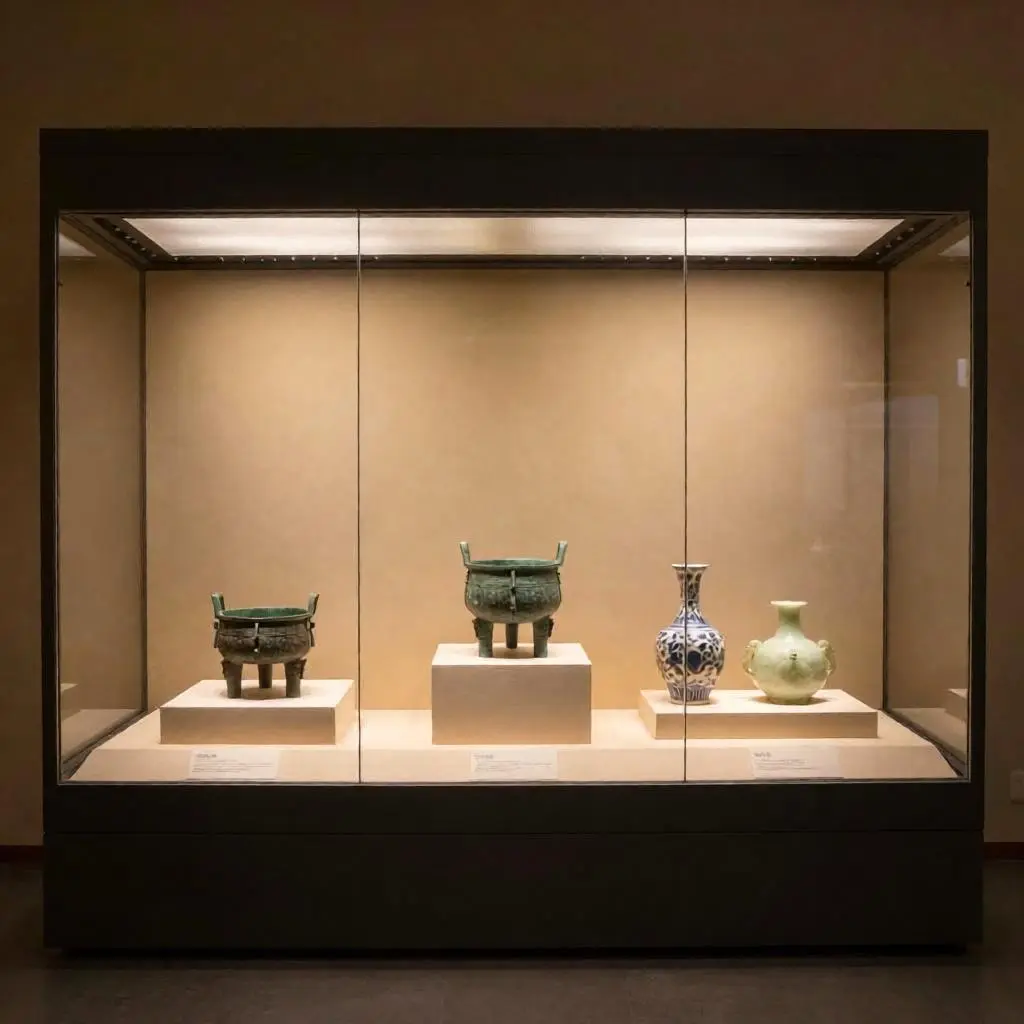
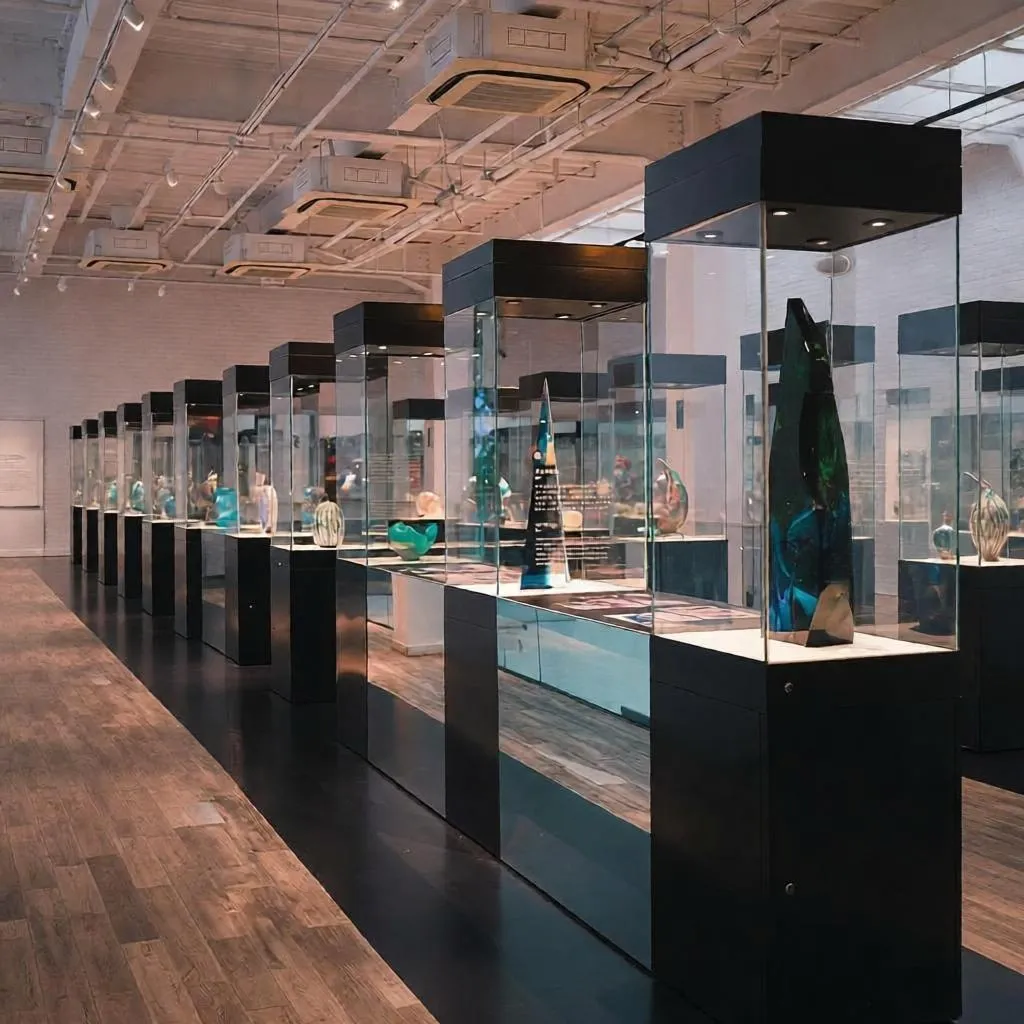
Museums and high-value exhibition spaces may use bullet-resistant glazing for display cases and protective enclosures.
These applications require a balance between ballistic resistance, optical clarity, weight and visual presentation.
Higher-performance transparent armor may be required for military, defense and other specialized applications.
These systems can involve substantially thicker and more complex composite structures and must be designed around the specific threat and applicable testing requirements.
The correct bullet-resistant glass should be selected based on the actual security requirement rather than simply choosing the thickest available product.
The main factors to consider include:
For projects with high security requirements, the glazing manufacturer, facade or window supplier and security consultant should work together from the early design stage.
Bulletproof glass is not simply a thicker form of ordinary safety glass. Its ballistic performance comes from the coordinated action of multiple glass and polymer layers, which progressively manage impact energy, retain broken glass and resist projectile penetration.
Different combinations of glass, PVB, TPU and polycarbonate can be developed for different protection levels, weight requirements, optical conditions and installation environments.
The most important factor is not thickness alone, but whether the specific glazing construction has been properly engineered and tested for the intended ballistic threat.
For architectural, transportation and security projects, selecting the right bullet-resistant glass requires consideration of the threat level, applicable standard, material construction, total weight, frame system and installation conditions.
SHEN-SHILEI provides customized security glazing solutions based on project requirements, with product construction and performance determined according to the intended application and applicable testing requirements.
FAQ
Find quick answers regarding glass customization, production lead time, technical parameters, ordering and export cooperation.
To prepare an accurate quotation, we recommend providing as much of the following information as possible:
If drawings, specifications, BOQ, or project documents are available, customers can also send them to us. Our technical team can review the requirements and recommend a suitable glass configuration before quotation.
Yes. We provide customized glass processing based on customer drawings, specifications, and application requirements.
Depending on the product, customization may include glass dimensions, thickness, glass composition, Low-E coating, spacer configuration, PVB or other interlayers, edge processing, holes, notches, corners, surface treatment, and other fabrication requirements.
For project-based orders, we recommend sending the original drawings or technical specifications before production. Our team can review the dimensions, glass configuration, processing requirements, and potential production issues to reduce the risk of errors before manufacturing.
For repeated orders, we can also maintain the approved specifications and production requirements to help ensure consistency between batches.
Both vacuum glass and insulated glass are designed to improve thermal insulation, but their structures and performance characteristics are different.
Insulated glass consists of two or more panes separated by a spacer and sealed around the perimeter, with the cavity typically filled with air or an insulating gas such as argon.
Vacuum glass uses a highly evacuated space between glass panes. Because the vacuum greatly reduces gas conduction and convection, vacuum glass can achieve high thermal insulation performance with a relatively slim overall thickness.
The appropriate solution depends on the project requirements. Insulated glass is widely used in conventional energy-efficient windows and curtain walls, while vacuum glass can be particularly useful where high thermal performance, slim thickness, retrofit compatibility, or limited glazing space is important.
For a specific project, we recommend evaluating the required U-value, window system, climate, glass size, solar-control requirements, and installation conditions before selecting the configuration.
The applicable standards and documentation depend on the product, destination market, and project requirements.
Before production, customers can specify the required standards or provide the project specification. We can then confirm the applicable technical requirements and documentation.
Depending on the product and project, documentation may include product specifications, inspection records, test reports, certificates, material information, and other quality documents.
For export projects, we recommend confirming the required standards during the quotation stage rather than after production. This allows both sides to verify whether the proposed glass configuration meets the technical requirements of the destination market.
Quality control begins before production and continues throughout the manufacturing process.
Depending on the product, quality control may cover raw material inspection, dimensional accuracy, glass appearance, edge quality, processing accuracy, tempering performance, coating condition, insulating glass sealing, laminated glass bonding, and final product inspection.
For customized and project orders, production specifications are confirmed before manufacturing. Critical dimensions and processing requirements are checked during production, followed by final inspection before packing.
We also recommend that customers confirm critical acceptance criteria in advance, especially for large architectural projects. This creates a clear quality standard for both sides and helps ensure consistent production and inspection.
Our MOQ depends on the glass type, dimensions, processing requirements, production setup, and order structure.
Standard-size products and larger project orders may have different MOQ requirements from highly customized or small-batch products.
For project orders, we recommend sending the glass schedule or estimated quantity first. We can evaluate the order based on the actual specifications rather than applying a single MOQ to all products.
For new customers or sample development, we can also discuss a suitable trial quantity depending on the product and processing requirements.
Lead time depends on the product, quantity, specifications, processing complexity, raw material availability, and current production schedule.
Standard products with confirmed specifications generally have a shorter production cycle, while customized glass, large project orders, special processing, or products requiring specific materials may require additional time.
Before order confirmation, we provide an estimated production schedule based on the actual order requirements. For project orders, we recommend confirming the required delivery date during the quotation stage so that production capacity and shipping arrangements can be planned in advance.
Glass packaging is designed according to the product type, glass dimensions, weight, transportation method, and destination.
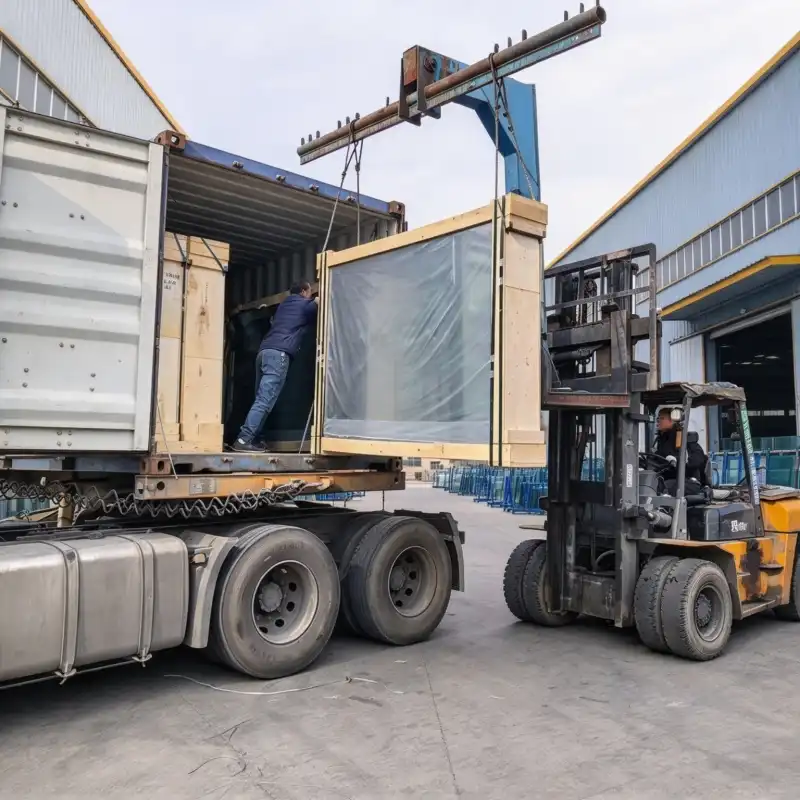
For export shipments, glass is normally secured in suitable transport crates or cases with protective materials to reduce movement, impact, scratching, and other transportation risks.
For large or heavy glass units, packaging and loading arrangements are planned according to the actual dimensions and weight of the shipment.
Before shipment, the packing condition and loading arrangement are checked to help ensure that the glass is properly secured during transportation.
For long-distance sea shipments, we also recommend confirming the packaging and loading requirements according to the destination port and transportation conditions.
Yes. Sample production can be discussed for many customized glass products.
For project orders, samples can be used to confirm important aspects such as appearance, color, glass configuration, thickness, processing details, and overall workmanship before mass production.
If the project requires laboratory testing or third-party certification, the required test method and acceptance criteria should be confirmed before sample production.
Once the sample and technical specifications are approved, the approved configuration can be used as the reference for subsequent bulk production.
Yes. We can review the project requirements and recommend a suitable glass configuration based on the intended application.
Customers do not necessarily need to determine the complete glass structure before contacting us. You can provide the application, glass dimensions, required performance, local climate, building or product requirements, and any available drawings or specifications.
Based on these requirements, we can evaluate suitable options such as vacuum glass, insulated glass, laminated glass, tempered glass, or combinations of different glass types.
For example, if the priority is thermal insulation with limited glazing thickness, vacuum glass may be worth evaluating. If the project requires thermal insulation together with solar control or acoustic performance, an appropriate insulated glass configuration may be considered. Where safety or security is a key requirement, laminated or specially designed glass constructions may be more appropriate.
The final specification should always be determined according to the applicable project standards, system requirements, testing requirements, and actual installation conditions.
Send the dimensions, quantity, application and destination for a project review.