
PRODUCT

WHY CHOOSE US
We combine specialized glass expertise, advanced manufacturing capabilities and strict quality control to deliver reliable glass solutions for demanding architectural, commercial and industrial applications
Dedicated expertise in vacuum glass technology and production..
Integrated processing capabilities supported by modern production equipment.
Strict quality control throughout processing and production.
Flexible specifications, technical support and dependable project service.
PRODUCT SPECIFICATIONS
APPLICATIONS
OVERVIEW
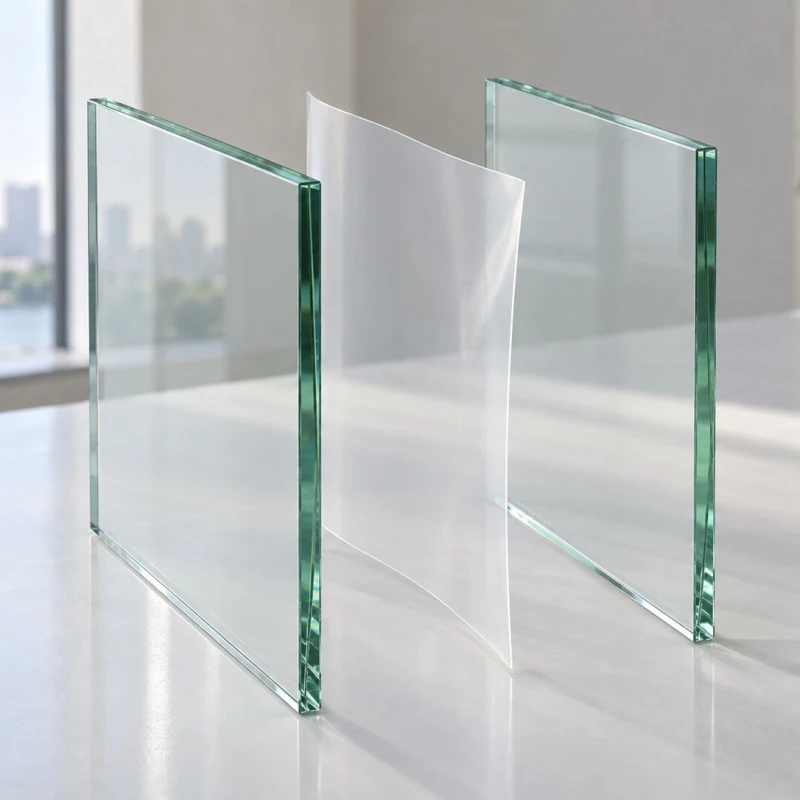
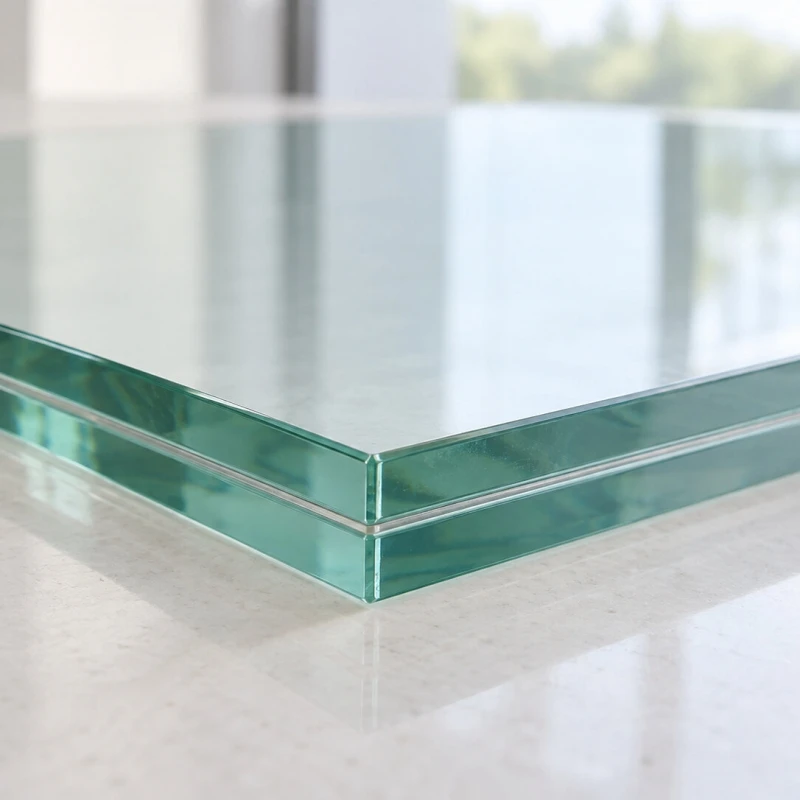
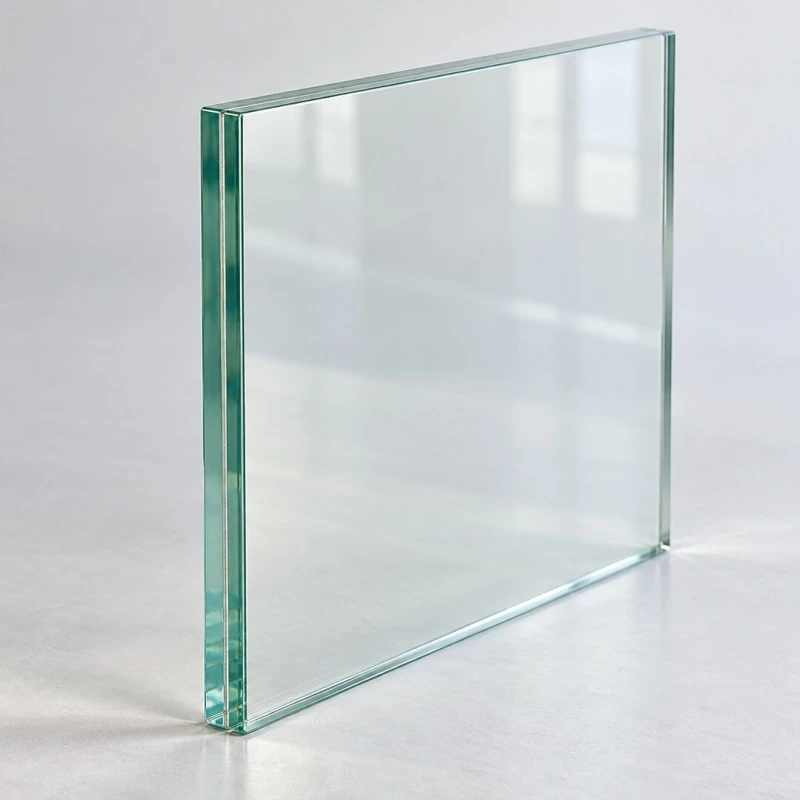
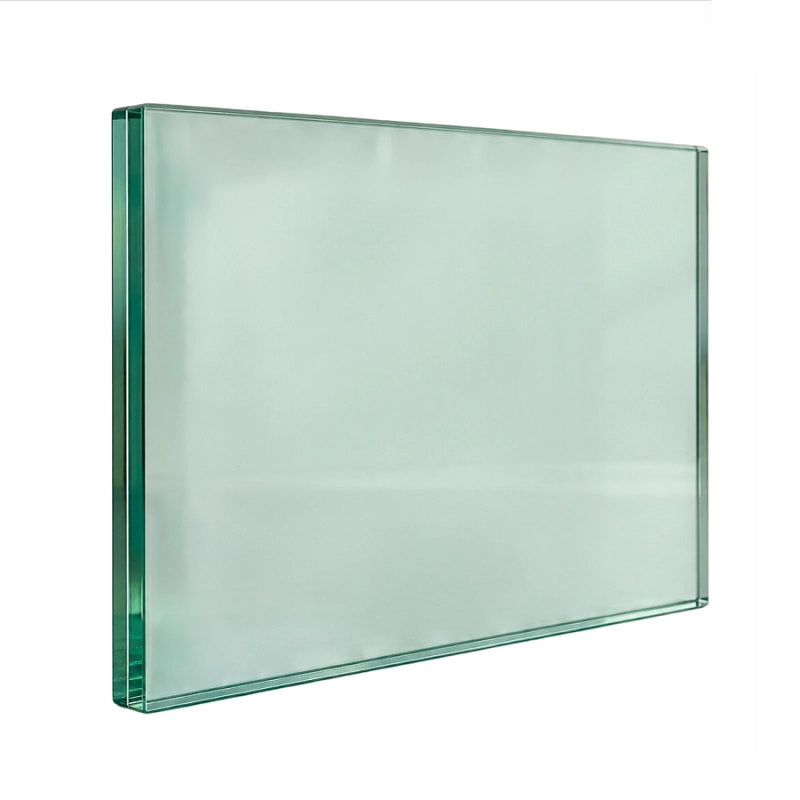
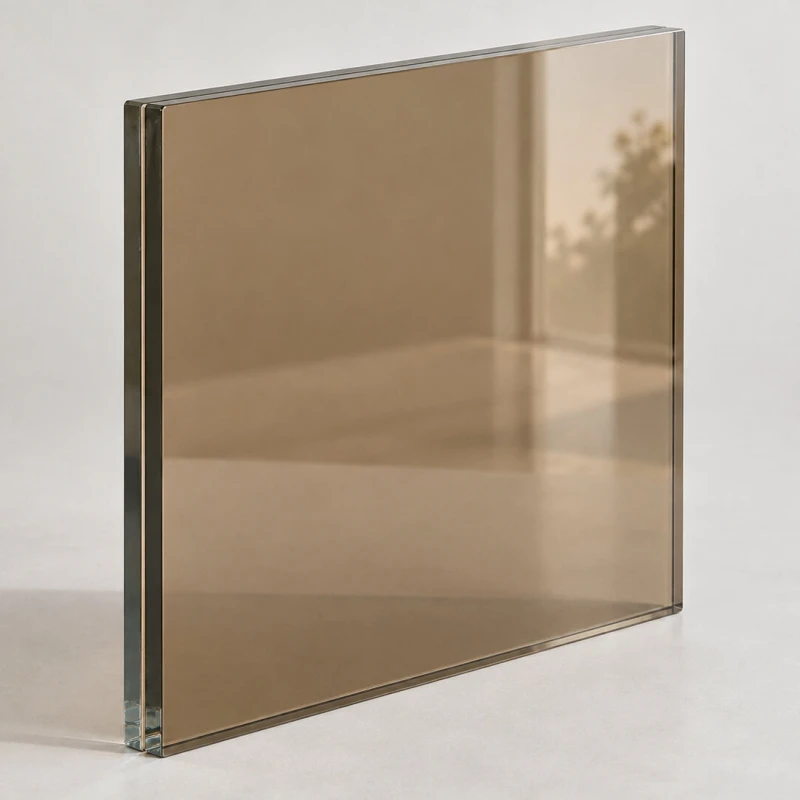
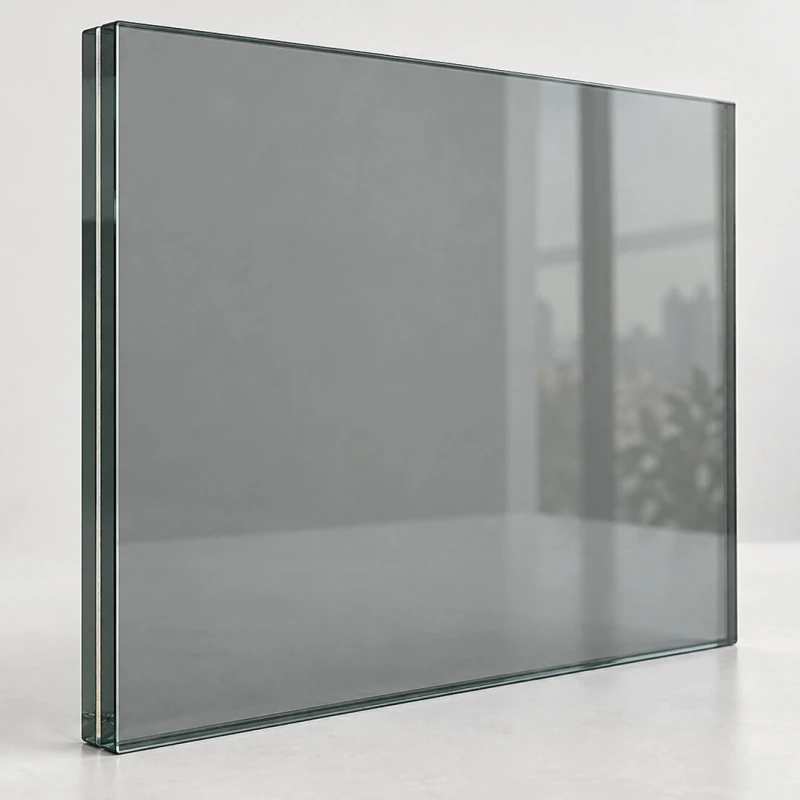
Clear PVB Laminated Glass is made by bonding two or more glass panes with a polyvinyl butyral (PVB) interlayer under controlled heat and pressure. This composite structure helps hold broken glass fragments together after impact, reducing the risk of scattered glass and injury.
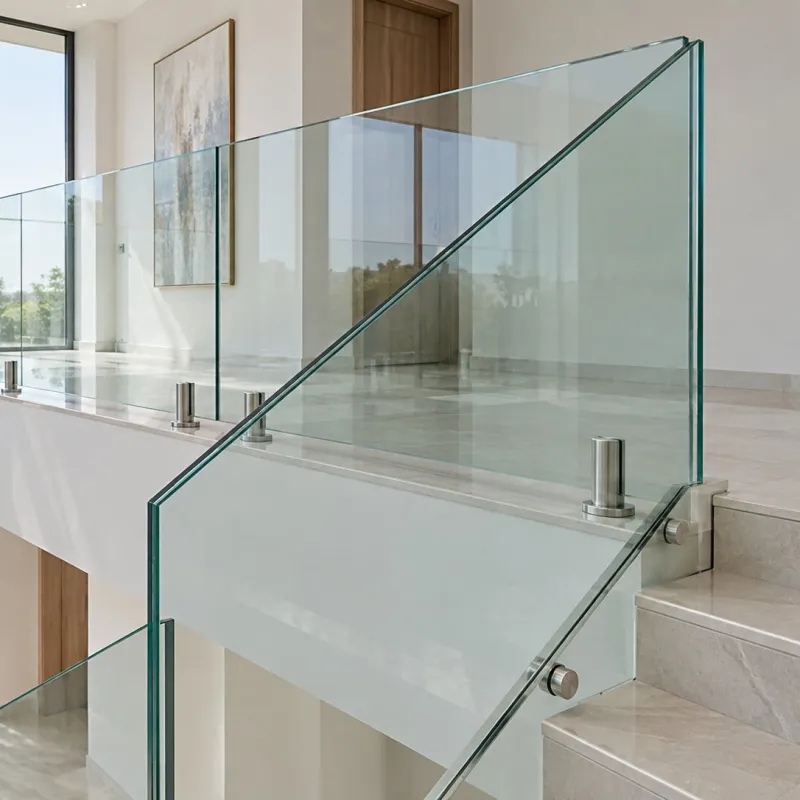
Depending on the glass type, interlayer specification and overall construction, PVB laminated glass can also provide sound reduction and UV protection. It is widely used in architectural windows, curtain walls, skylights, balustrades, storefronts and other applications where transparency and safety are important.
SHEN-SHILEI offers customized laminated glass solutions with different glass thicknesses, PVB interlayers, dimensions and processing options to meet project requirements. For applications requiring specific acoustic, thermal or security performance, the glazing configuration can be selected according to the relevant technical specifications and verified test data.
DETAILS
Clear PVB Laminated Glass is widely used in architectural glazing, automotive glazing and security applications where transparency and post-breakage safety are important. It is made by bonding two or more glass panes with a polyvinyl butyral (PVB) interlayer under controlled heat and pressure.
The laminated glass provides clear views while helping hold broken fragments together if the glass is damaged. Depending on the glass build-up and interlayer specification, it can also contribute to sound reduction, UV protection and resistance to forced entry. For projects requiring additional thermal, blast or ballistic performance, the complete glazing construction must be designed and tested for the intended application.
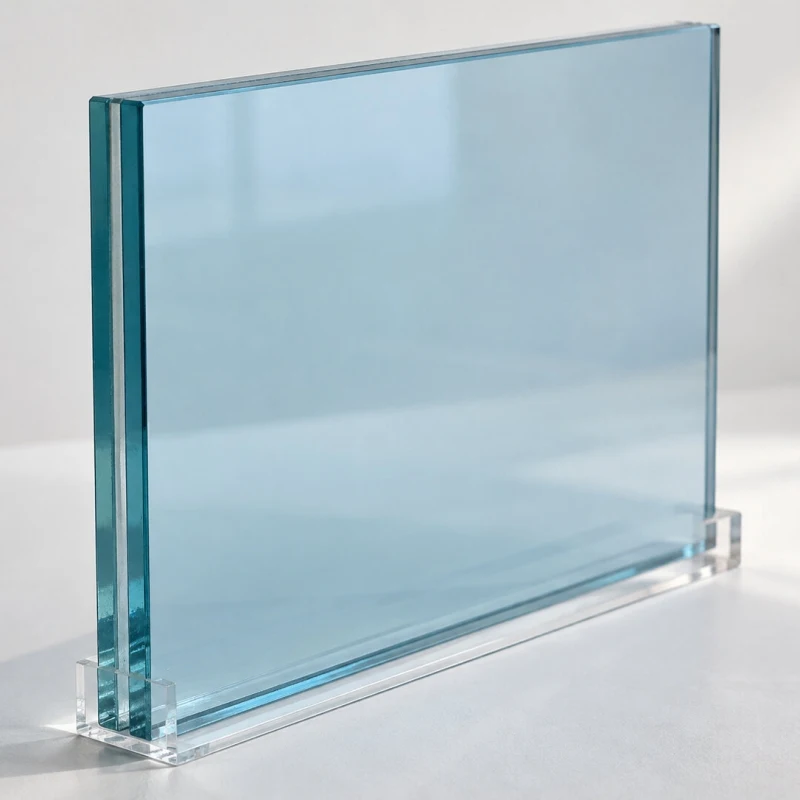
Clear PVB laminated glass typically consists of two or more panes of float glass, heat-treated glass or other specified glass types bonded with a transparent PVB interlayer. Clear float glass is suitable for many standard applications, while extra-clear glass can be selected where lower inherent colour and higher visual clarity are required.
Common PVB interlayer thicknesses include 0.38 mm and 0.76 mm. Multiple interlayers or thicker constructions may be specified according to the required safety performance, glass dimensions and project conditions.
During lamination, the PVB interlayer bonds the glass panes into a composite unit. The glass provides stiffness and surface durability, while the interlayer helps retain fragments and maintain residual integrity after breakage.
Key characteristics include:
Actual optical quality, durability and safety performance depend on the glass and interlayer specifications, manufacturing quality and installation conditions.
One of the main reasons for choosing PVB laminated glass is its behaviour after breakage. When the glass is impacted, cracks may develop across one or more panes, while the interlayer helps retain the fragments and reduce the risk of falling or scattered glass.
This makes laminated safety glass suitable for applications such as overhead glazing, windows, balustrades and other locations where broken glass could present a hazard. The appropriate glass construction must be selected according to the relevant building code, loading conditions and safety requirements.
The viscoelastic properties of PVB can help damp certain sound vibrations. Laminated glass may therefore improve acoustic performance compared with some monolithic glass constructions.
The result depends on glass thickness, interlayer type, glazing configuration and the frequency of the noise. Where acoustic performance is critical, a tested sound-reduction rating for the complete glazing system should be used for specification and comparison.
A suitable PVB interlayer can filter a substantial portion of ultraviolet radiation. This can help reduce UV-related fading and deterioration of furniture, textiles, artwork and displayed objects.
UV transmission varies with the interlayer formulation and glass construction. For projects involving museums, galleries or high-value retail displays, the required UV performance should be confirmed against product data or test results.
PVB laminated glass can remain bonded together after cracking, making it more difficult to create an opening than with some monolithic glass products. Its resistance to repeated impacts depends on the number and thickness of glass panes, the interlayer construction and the attack conditions.
Standard laminated glass should not automatically be described as burglar-resistant, blast-resistant or bullet-resistant. Where a defined security level is required, the complete glazing assembly should be designed and tested against the applicable standard.
Clear PVB laminated glass is primarily selected for safety and fragment retention. Its thermal insulation performance is not equivalent to that of an insulating glass unit, and a standard clear PVB interlayer does not automatically provide high solar control.
For projects with energy-efficiency requirements, laminated glass can be combined with Low-E coatings, solar-control glass or insulating glass configurations. The performance of the complete assembly should be evaluated using the relevant thermal and solar data.
The quality of PVB laminated glass depends on clean glass surfaces, accurate interlayer placement and controlled lamination conditions. A typical dry-process production sequence includes:
Quality-control procedures should be matched to the product specification and applicable standards. Depending on the intended use, inspection may include visual and optical checks, dimensional verification, impact testing and durability testing.
Certification and test claims should be made only where the relevant product, construction and production facility are covered by valid documentation. Laminated glass requirements vary depending on the intended application and local building codes. For technical guidance on glass product standards, refer to ASTM International.
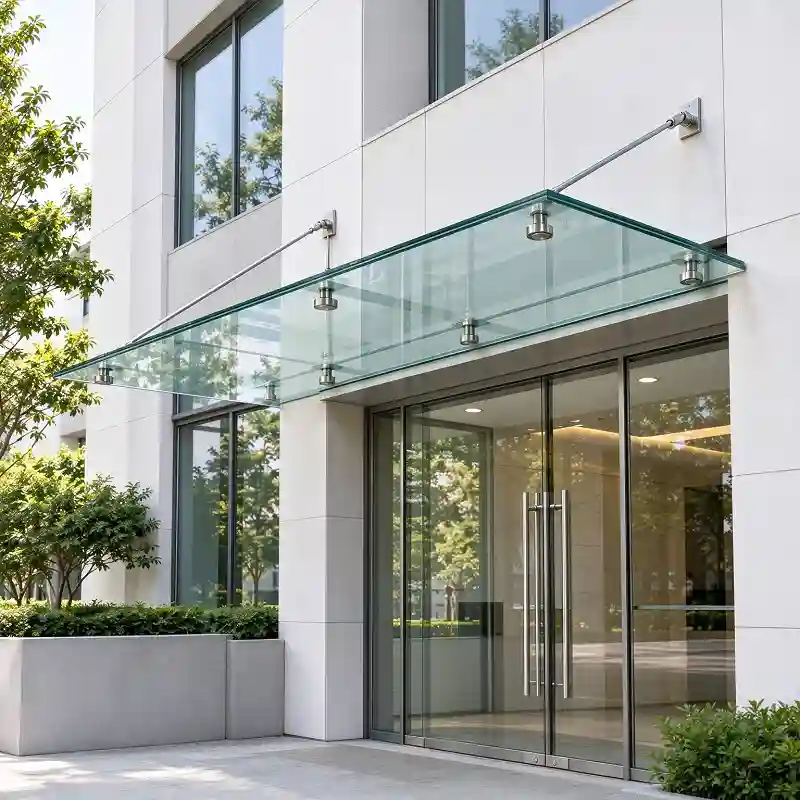
Clear PVB laminated glass is used across a range of building, transport and security applications.
Architectural glazing
Commercial and security applications
Residential interiors and exteriors
Transport and specialized applications
The suitability of a particular laminated glass construction should always be assessed against the requirements of the finished assembly.
Clear PVB laminated glass can be customized according to project requirements. Available options may include:
For an accurate quotation, buyers should provide the required dimensions, glass build-up, intended application, applicable safety standard and any optical or performance targets.
SHEN-SHILEI supports customized glass processing for architectural, commercial and specialized projects. Clear PVB laminated glass can be specified according to the required appearance, dimensions, glass construction and intended use.
For project enquiries, provide the application, target performance, drawings and relevant technical requirements. These details help determine a suitable construction and identify whether additional testing or certification is required.
Clear PVB laminated glass combines transparency with improved post-breakage fragment retention. When correctly specified and manufactured, it is a practical option for projects where visual clarity and safety need to work together.
FAQ
Find quick answers regarding glass customization, production lead time, technical parameters, ordering and export cooperation.
To prepare an accurate quotation, we recommend providing as much of the following information as possible:
If drawings, specifications, BOQ, or project documents are available, customers can also send them to us. Our technical team can review the requirements and recommend a suitable glass configuration before quotation.
Yes. We provide customized glass processing based on customer drawings, specifications, and application requirements.
Depending on the product, customization may include glass dimensions, thickness, glass composition, Low-E coating, spacer configuration, PVB or other interlayers, edge processing, holes, notches, corners, surface treatment, and other fabrication requirements.
For project-based orders, we recommend sending the original drawings or technical specifications before production. Our team can review the dimensions, glass configuration, processing requirements, and potential production issues to reduce the risk of errors before manufacturing.
For repeated orders, we can also maintain the approved specifications and production requirements to help ensure consistency between batches.
Both vacuum glass and insulated glass are designed to improve thermal insulation, but their structures and performance characteristics are different.
Insulated glass consists of two or more panes separated by a spacer and sealed around the perimeter, with the cavity typically filled with air or an insulating gas such as argon.
Vacuum glass uses a highly evacuated space between glass panes. Because the vacuum greatly reduces gas conduction and convection, vacuum glass can achieve high thermal insulation performance with a relatively slim overall thickness.
The appropriate solution depends on the project requirements. Insulated glass is widely used in conventional energy-efficient windows and curtain walls, while vacuum glass can be particularly useful where high thermal performance, slim thickness, retrofit compatibility, or limited glazing space is important.
For a specific project, we recommend evaluating the required U-value, window system, climate, glass size, solar-control requirements, and installation conditions before selecting the configuration.
The applicable standards and documentation depend on the product, destination market, and project requirements.
Before production, customers can specify the required standards or provide the project specification. We can then confirm the applicable technical requirements and documentation.
Depending on the product and project, documentation may include product specifications, inspection records, test reports, certificates, material information, and other quality documents.
For export projects, we recommend confirming the required standards during the quotation stage rather than after production. This allows both sides to verify whether the proposed glass configuration meets the technical requirements of the destination market.
Quality control begins before production and continues throughout the manufacturing process.
Depending on the product, quality control may cover raw material inspection, dimensional accuracy, glass appearance, edge quality, processing accuracy, tempering performance, coating condition, insulating glass sealing, laminated glass bonding, and final product inspection.
For customized and project orders, production specifications are confirmed before manufacturing. Critical dimensions and processing requirements are checked during production, followed by final inspection before packing.
We also recommend that customers confirm critical acceptance criteria in advance, especially for large architectural projects. This creates a clear quality standard for both sides and helps ensure consistent production and inspection.
Our MOQ depends on the glass type, dimensions, processing requirements, production setup, and order structure.
Standard-size products and larger project orders may have different MOQ requirements from highly customized or small-batch products.
For project orders, we recommend sending the glass schedule or estimated quantity first. We can evaluate the order based on the actual specifications rather than applying a single MOQ to all products.
For new customers or sample development, we can also discuss a suitable trial quantity depending on the product and processing requirements.
Lead time depends on the product, quantity, specifications, processing complexity, raw material availability, and current production schedule.
Standard products with confirmed specifications generally have a shorter production cycle, while customized glass, large project orders, special processing, or products requiring specific materials may require additional time.
Before order confirmation, we provide an estimated production schedule based on the actual order requirements. For project orders, we recommend confirming the required delivery date during the quotation stage so that production capacity and shipping arrangements can be planned in advance.
Glass packaging is designed according to the product type, glass dimensions, weight, transportation method, and destination.
For export shipments, glass is normally secured in suitable transport crates or cases with protective materials to reduce movement, impact, scratching, and other transportation risks.
For large or heavy glass units, packaging and loading arrangements are planned according to the actual dimensions and weight of the shipment.
Before shipment, the packing condition and loading arrangement are checked to help ensure that the glass is properly secured during transportation.
For long-distance sea shipments, we also recommend confirming the packaging and loading requirements according to the destination port and transportation conditions.
Yes. Sample production can be discussed for many customized glass products.
For project orders, samples can be used to confirm important aspects such as appearance, color, glass configuration, thickness, processing details, and overall workmanship before mass production.
If the project requires laboratory testing or third-party certification, the required test method and acceptance criteria should be confirmed before sample production.
Once the sample and technical specifications are approved, the approved configuration can be used as the reference for subsequent bulk production.
Yes. We can review the project requirements and recommend a suitable glass configuration based on the intended application.
Customers do not necessarily need to determine the complete glass structure before contacting us. You can provide the application, glass dimensions, required performance, local climate, building or product requirements, and any available drawings or specifications.
Based on these requirements, we can evaluate suitable options such as vacuum glass, insulated glass, laminated glass, tempered glass, or combinations of different glass types.
For example, if the priority is thermal insulation with limited glazing thickness, vacuum glass may be worth evaluating. If the project requires thermal insulation together with solar control or acoustic performance, an appropriate insulated glass configuration may be considered. Where safety or security is a key requirement, laminated or specially designed glass constructions may be more appropriate.
The final specification should always be determined according to the applicable project standards, system requirements, testing requirements, and actual installation conditions.
Send the dimensions, quantity, application and destination for a project review.