
PRODUCT
WHY CHOOSE US
We combine specialized glass expertise, advanced manufacturing capabilities and strict quality control to deliver reliable glass solutions for demanding architectural, commercial and industrial applications
Dedicated expertise in vacuum glass technology and production..
Integrated processing capabilities supported by modern production equipment.
Strict quality control throughout processing and production.
Flexible specifications, technical support and dependable project service.
PRODUCT SPECIFICATIONS
APPLICATIONS
OVERVIEW
DETAILS
Triple-pane insulated glass, also known as triple glazing or triple-pane double-cavity insulating glass, is designed for buildings where thermal insulation, noise control and overall window performance are important.
Compared with single glazing and conventional double glazing, its three-pane, two-cavity construction creates an additional thermal and acoustic barrier. This makes it particularly suitable for cold climates, buildings exposed to traffic noise, high-end residential projects and low-energy or passive building applications.
The overall performance of triple-pane insulated glass depends not only on the number of panes, but also on the glass thickness, cavity width, gas filling, Low-E coating, spacer system and sealing quality. This article looks at its structure, working principle, key performance parameters, advantages and limitations, common configurations and typical applications.
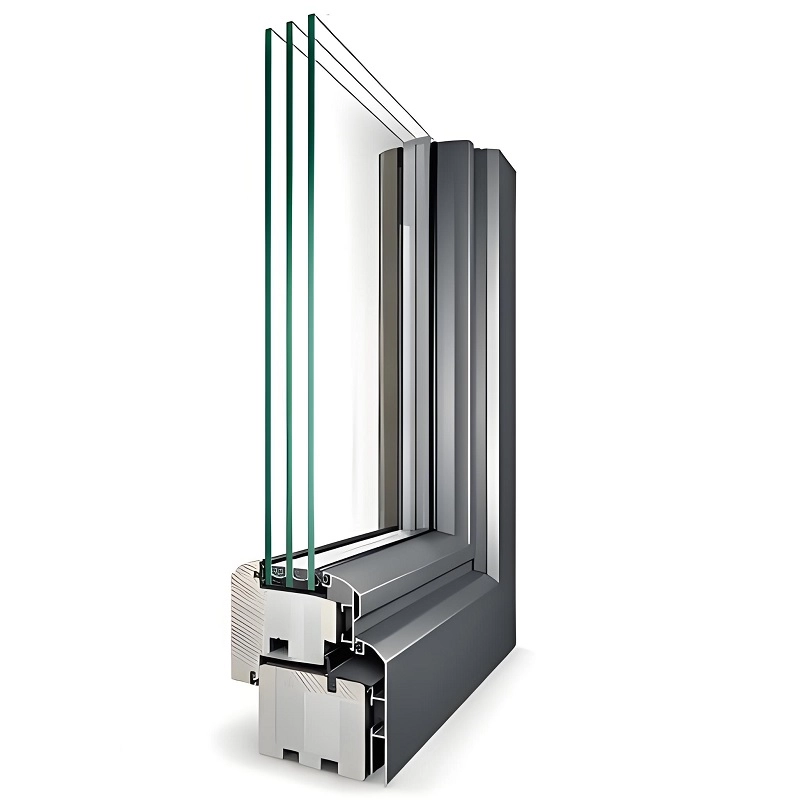
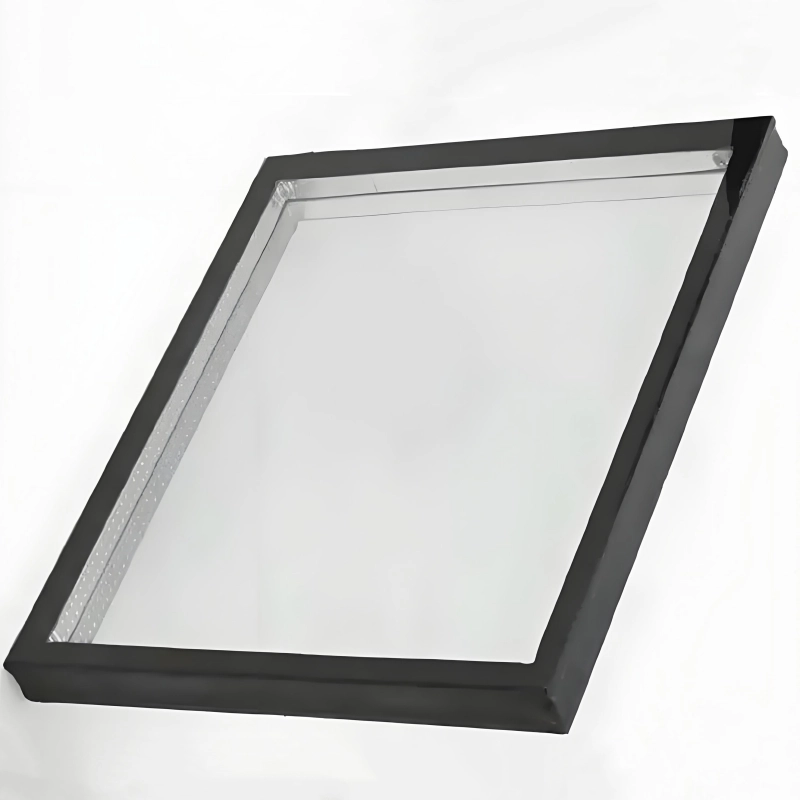
Triple-pane insulated glass consists of three glass panes, two independently sealed insulating cavities, spacer bars, desiccant and a dual-seal system.
The three panes are precisely assembled with spacer bars and sealed around the edges to form two separate insulating cavities. The cavities can be filled with dry air or inert gas such as argon, depending on the required thermal and acoustic performance. Desiccant inside the spacer system helps absorb residual moisture and maintain a dry cavity over time.
Heat transfer through building glazing mainly occurs through conduction, convection and radiation.
A conventional double-glazed unit has one insulating cavity that reduces part of the heat transfer between the two panes. Triple-pane glass adds a third pane and a second cavity, creating two separate insulating spaces. This reduces the area available for air movement within each cavity and adds another barrier to heat transfer.
The glass can also be combined with Low-E coatings on selected surfaces. Low-E coatings reduce radiative heat transfer by reflecting a portion of long-wave infrared radiation while allowing the desired amount of visible light to pass through.
The result is a more thermally resistant glazing system than conventional single or double glazing, particularly when the glass, cavity width, gas filling and Low-E coating are properly matched to the project.
Sound travels through glass and air as mechanical vibration. A single glazing layer provides limited resistance to external noise, while a conventional double-glazed unit can improve acoustic performance by adding another glass layer and an insulating cavity.
Triple-pane glass adds another pane and another cavity. By varying glass thicknesses and cavity widths, the glazing system can be designed with different acoustic characteristics across a wider range of frequencies.
The two cavities can also be filled with inert gas such as argon. The final acoustic performance, however, depends on the complete glass configuration, including pane thickness, cavity dimensions, interlayer selection where applicable, frame design and installation quality.
A reliable edge seal is essential for maintaining the long-term performance of an insulating glass unit.
Triple-pane insulated glass normally uses a dual-seal system. The primary seal, typically based on butyl, helps limit moisture and gas transfer at the edge. The secondary seal, which may use polysulfide, silicone or another suitable sealant depending on the application, provides additional structural support and protection.
Because the two cavities are independently sealed, the glazing system has a degree of redundancy compared with a single-cavity unit. Proper edge processing, sealing materials and production control remain essential to maintaining long-term performance. Learn more about our insulating glass dual-seal system on our insulated glass product page.
The performance of triple-pane insulated glass depends on how its individual components are configured. Glass thickness, cavity width, gas filling and thermal transmittance are among the main parameters to consider.
Common glass thicknesses include 5 mm and 6 mm, while the overall unit thickness is determined by the combination of glass panes, cavity widths and spacer systems.
Typical configurations include:
Other combinations can be produced according to window system requirements, structural considerations and project specifications.
A thicker overall unit is not automatically better. The glazing configuration should be matched with the window frame, hardware, structural requirements and climate conditions.
The width of the insulating cavity is an important factor in both thermal and acoustic performance.
Common cavity widths vary depending on the glazing system and project requirements. Increasing the cavity width within a suitable range can improve thermal resistance, but an excessively wide cavity can increase overall unit thickness and weight without providing proportional performance benefits.
For many applications, 12 mm to 16 mm cavities provide a practical balance between thermal performance, acoustic performance, unit thickness and compatibility with window systems. Wider cavities may be considered for specific cold-climate or acoustic applications.
The two cavities do not necessarily have to use identical widths. A combination of different cavity dimensions can be considered when acoustic performance is an important design objective.
The insulating cavities can be filled with dry air or inert gases such as argon.
Argon is commonly used in insulating glass because its thermal properties can reduce heat transfer compared with a cavity filled only with air. Higher-performance glazing systems may also use other inert gases depending on the project requirements.
Gas filling alone does not determine the final performance of the unit. Gas concentration, edge sealing, cavity dimensions, spacer design and long-term gas retention all affect the actual result.
U-value is one of the main indicators used to evaluate the thermal transmittance of glazing. A lower U-value means less heat is transferred through the glass under a given temperature difference.
The final U-value of triple-pane insulated glass depends on several factors, including:
For this reason, performance figures should always be specified for a particular glass configuration rather than applied to triple glazing as a general category.
The thermal transmittance testing method follows the ISO 10293 standard for insulating glass units, which defines testing rules for insulating glass worldwide.
Triple-pane insulated glass can provide significant performance benefits, but it also comes with additional weight, cost and installation requirements. The right choice depends on the building and project conditions.
The two insulating cavities and three glass panes create multiple barriers against heat transfer. When combined with suitable Low-E coatings and gas filling, triple glazing can provide substantially better thermal insulation than conventional double glazing.
This makes it particularly useful in cold climates and low-energy buildings where reducing heat loss through windows is an important part of the building envelope strategy.
The actual energy savings depend on the complete window system, building orientation, climate, frame performance and other elements of the building envelope.
Three glass panes and two cavities can provide better acoustic isolation than conventional double glazing, particularly when the glass thicknesses and cavity dimensions are selected for the target noise environment.
Triple-pane insulated glass can be considered for buildings near:
For projects with demanding acoustic requirements, laminated glass or different glass thickness combinations may also be incorporated into the configuration.
Triple-pane glazing can be combined with Low-E coatings and other glass technologies to reduce ultraviolet transmission.
This can help limit long-term exposure of interior materials such as flooring, curtains, furniture and artwork. The actual UV transmission depends on the glass type, coating and overall configuration.
Triple-pane units can be manufactured using tempered glass where required by the project. Tempered glass provides improved resistance to mechanical and thermal stress compared with annealed glass and breaks into smaller granular fragments when fractured.
However, the weight of a triple-pane unit is considerably higher than that of single or double glazing. The glass, frame and hardware therefore need to be designed as a complete system to ensure proper structural and operational performance.
Triple-pane insulated glass uses more glass, additional spacers and sealing materials, and requires more complex processing and assembly than conventional double glazing.
As a result, the initial cost is generally higher. Whether the additional investment is justified depends on the climate, building energy requirements, acoustic needs and expected service life of the project.
The additional glass pane increases the weight of the insulating glass unit.
The window frame, hardware and installation system therefore need to be capable of supporting the additional load. For large window sizes and operable sashes, structural calculations and appropriate hardware selection are particularly important.
Triple-pane units are heavier and more difficult to handle than standard double-glazed units. Installation requires suitable equipment, trained personnel and properly designed frames.
If a pane or the insulating glass unit is damaged, replacement can also be more involved than with single glazing.
Adding another glass pane and additional coatings can reduce visible light transmission compared with a simple single-glazed system.
The actual visible light transmission depends on glass thickness, substrate color, Low-E coating and the number of coated surfaces. For large areas of glazing, the glass configuration should therefore be selected with both thermal performance and daylight requirements in mind.
Triple-pane insulated glass can be configured for different levels of thermal, acoustic and solar-control performance.
The basic structure consists of three glass panes and two sealed insulating cavities. The glass can be supplied as clear or tinted glass and can incorporate single-silver, double-silver or triple-silver Low-E coatings, depending on the required performance.
Common configurations include:
Here, A represents an air-filled cavity and Ar represents an argon-filled cavity.
Other combinations of glass thickness, cavity width and gas filling can be produced according to the project requirements.
The spacer system is an important part of the insulating glass unit.
Traditional aluminum spacers are widely used, while warm-edge spacers can help reduce thermal bridging around the edge of the glass and improve the overall thermal performance of the window.
Triple-pane insulated glass uses a dual-seal structure. The primary seal helps prevent moisture and gas exchange, while the secondary seal provides additional protection and structural support.
The choice of secondary sealant depends on the application, unit size, climate and window system.
Dry air can be used as a basic cavity filling, while argon is commonly selected for improved thermal performance.
For specific projects, the gas filling, cavity dimensions and Low-E coating can be matched to the required thermal performance.
Depending on project requirements, SHEN-SHILEI can process triple-pane insulated glass in different sizes and configurations, including options for:
Actual maximum dimensions and processing capabilities should be confirmed according to the production line, glass composition and project requirements.
Triple-pane insulated glass is not necessarily the right choice for every building. Its advantages are most valuable where thermal insulation, acoustic performance or overall window performance justify the additional weight and cost.
Cold and high-altitude regions can benefit from the additional thermal barrier provided by triple-pane glazing.
For low-energy and passive building projects, triple glazing can help reduce heat loss through windows when combined with a suitable frame, Low-E coating, gas filling and proper installation.
Triple-pane insulated glass is suitable for residential, hotel, office and commercial buildings located near:
For demanding acoustic applications, the glass thicknesses and cavity widths should be selected based on the actual noise spectrum rather than simply increasing the number of panes.
High-performance residential projects, villas, hotels and other buildings with demanding comfort requirements can benefit from the improved thermal and acoustic performance of triple glazing.
The system can also be combined with Low-E coatings, warm-edge spacers and argon filling to create a more complete high-performance glazing solution.
In moderate climates and standard residential or commercial projects without particularly high thermal or acoustic requirements, a well-designed double-glazed Low-E unit may already provide sufficient performance.
In these cases, triple glazing may add unnecessary weight and cost. The choice should therefore be based on the building’s climate, energy targets, window system, acoustic requirements and budget rather than simply selecting the highest specification available.
The value of triple-pane insulated glass does not simply come from adding a third pane of glass. Its performance results from the combination of three glass panes, two insulating cavities, appropriate gas filling, Low-E coating, spacer technology and reliable edge sealing.
Compared with conventional glazing, a properly configured triple-pane unit can provide improved thermal insulation, acoustic performance and indoor comfort. It is particularly relevant to cold climates, low-energy buildings, high-noise environments and projects where window performance is an important part of the building envelope.
At the same time, triple glazing is heavier, more expensive and more demanding to install than conventional double glazing. The most suitable configuration should therefore be selected according to the project’s climate, energy requirements, noise conditions, window dimensions and frame system.
SHEN-SHILEI can customize glass thickness, cavity width, Low-E coating, gas filling and other glass configurations according to project requirements, helping customers develop a triple-pane insulated glass solution that fits the actual building rather than simply using a standard specification.
FAQ
Find quick answers regarding glass customization, production lead time, technical parameters, ordering and export cooperation.
To prepare an accurate quotation, we recommend providing as much of the following information as possible:
If drawings, specifications, BOQ, or project documents are available, customers can also send them to us. Our technical team can review the requirements and recommend a suitable glass configuration before quotation.
Yes. We provide customized glass processing based on customer drawings, specifications, and application requirements.
Depending on the product, customization may include glass dimensions, thickness, glass composition, Low-E coating, spacer configuration, PVB or other interlayers, edge processing, holes, notches, corners, surface treatment, and other fabrication requirements.
For project-based orders, we recommend sending the original drawings or technical specifications before production. Our team can review the dimensions, glass configuration, processing requirements, and potential production issues to reduce the risk of errors before manufacturing.
For repeated orders, we can also maintain the approved specifications and production requirements to help ensure consistency between batches.
Both vacuum glass and insulated glass are designed to improve thermal insulation, but their structures and performance characteristics are different.
Insulated glass consists of two or more panes separated by a spacer and sealed around the perimeter, with the cavity typically filled with air or an insulating gas such as argon.
Vacuum glass uses a highly evacuated space between glass panes. Because the vacuum greatly reduces gas conduction and convection, vacuum glass can achieve high thermal insulation performance with a relatively slim overall thickness.
The appropriate solution depends on the project requirements. Insulated glass is widely used in conventional energy-efficient windows and curtain walls, while vacuum glass can be particularly useful where high thermal performance, slim thickness, retrofit compatibility, or limited glazing space is important.
For a specific project, we recommend evaluating the required U-value, window system, climate, glass size, solar-control requirements, and installation conditions before selecting the configuration.
The applicable standards and documentation depend on the product, destination market, and project requirements.
Before production, customers can specify the required standards or provide the project specification. We can then confirm the applicable technical requirements and documentation.
Depending on the product and project, documentation may include product specifications, inspection records, test reports, certificates, material information, and other quality documents.
For export projects, we recommend confirming the required standards during the quotation stage rather than after production. This allows both sides to verify whether the proposed glass configuration meets the technical requirements of the destination market.
Quality control begins before production and continues throughout the manufacturing process.
Depending on the product, quality control may cover raw material inspection, dimensional accuracy, glass appearance, edge quality, processing accuracy, tempering performance, coating condition, insulating glass sealing, laminated glass bonding, and final product inspection.
For customized and project orders, production specifications are confirmed before manufacturing. Critical dimensions and processing requirements are checked during production, followed by final inspection before packing.
We also recommend that customers confirm critical acceptance criteria in advance, especially for large architectural projects. This creates a clear quality standard for both sides and helps ensure consistent production and inspection.
Our MOQ depends on the glass type, dimensions, processing requirements, production setup, and order structure.
Standard-size products and larger project orders may have different MOQ requirements from highly customized or small-batch products.
For project orders, we recommend sending the glass schedule or estimated quantity first. We can evaluate the order based on the actual specifications rather than applying a single MOQ to all products.
For new customers or sample development, we can also discuss a suitable trial quantity depending on the product and processing requirements.
Lead time depends on the product, quantity, specifications, processing complexity, raw material availability, and current production schedule.
Standard products with confirmed specifications generally have a shorter production cycle, while customized glass, large project orders, special processing, or products requiring specific materials may require additional time.
Before order confirmation, we provide an estimated production schedule based on the actual order requirements. For project orders, we recommend confirming the required delivery date during the quotation stage so that production capacity and shipping arrangements can be planned in advance.
Glass packaging is designed according to the product type, glass dimensions, weight, transportation method, and destination.
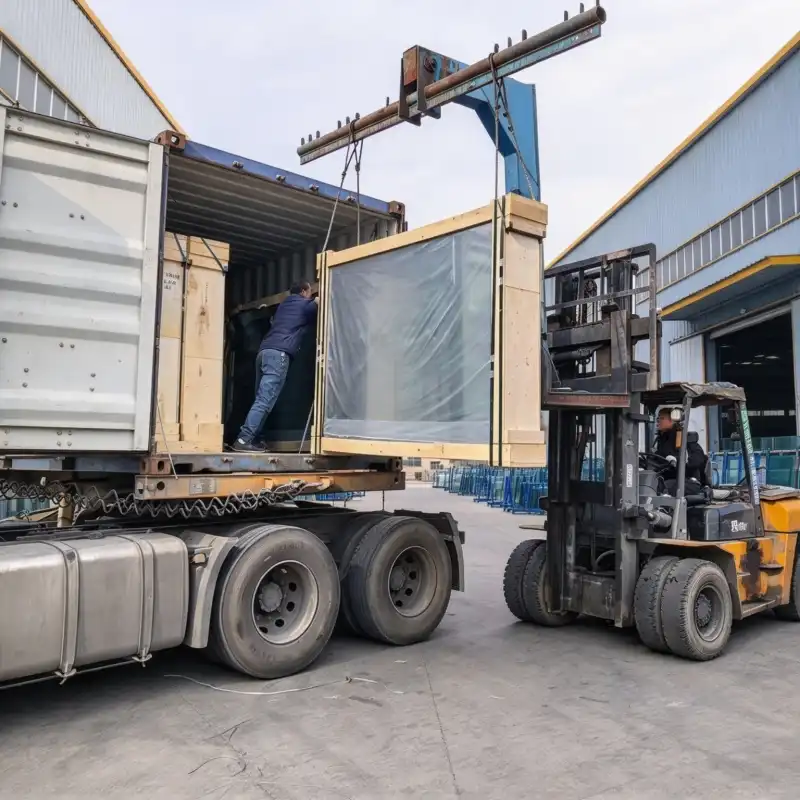
For export shipments, glass is normally secured in suitable transport crates or cases with protective materials to reduce movement, impact, scratching, and other transportation risks.
For large or heavy glass units, packaging and loading arrangements are planned according to the actual dimensions and weight of the shipment.
Before shipment, the packing condition and loading arrangement are checked to help ensure that the glass is properly secured during transportation.
For long-distance sea shipments, we also recommend confirming the packaging and loading requirements according to the destination port and transportation conditions.
Yes. Sample production can be discussed for many customized glass products.
For project orders, samples can be used to confirm important aspects such as appearance, color, glass configuration, thickness, processing details, and overall workmanship before mass production.
If the project requires laboratory testing or third-party certification, the required test method and acceptance criteria should be confirmed before sample production.
Once the sample and technical specifications are approved, the approved configuration can be used as the reference for subsequent bulk production.
Yes. We can review the project requirements and recommend a suitable glass configuration based on the intended application.
Customers do not necessarily need to determine the complete glass structure before contacting us. You can provide the application, glass dimensions, required performance, local climate, building or product requirements, and any available drawings or specifications.
Based on these requirements, we can evaluate suitable options such as vacuum glass, insulated glass, laminated glass, tempered glass, or combinations of different glass types.
For example, if the priority is thermal insulation with limited glazing thickness, vacuum glass may be worth evaluating. If the project requires thermal insulation together with solar control or acoustic performance, an appropriate insulated glass configuration may be considered. Where safety or security is a key requirement, laminated or specially designed glass constructions may be more appropriate.
The final specification should always be determined according to the applicable project standards, system requirements, testing requirements, and actual installation conditions.
Send the dimensions, quantity, application and destination for a project review.